Understanding Chinese New Year: Traditions, Dates and Global Celebrations
Introduction: Why Chinese New Year matters
Chinese New Year, also known as Lunar New Year or the Spring Festival, is one of the most important annual celebrations for hundreds of millions of people across Asia and in diasporic communities worldwide. Marking the start of the lunar calendar year, it is a time for family reunions, cultural rites and widespread public festivities. For businesses, travellers and communities, awareness of the festival is essential because it affects travel patterns, retail activity and public services for several weeks.
Main body: Dates, traditions and common practices
When it takes place
The date of Chinese New Year varies each year because it follows the lunar calendar; the festival typically falls between late January and mid-February. Public holidays in countries such as China, Hong Kong, Taiwan, Singapore and Vietnam (where it is called Tết) are scheduled around the new year to allow families to celebrate.
Key customs and symbolism
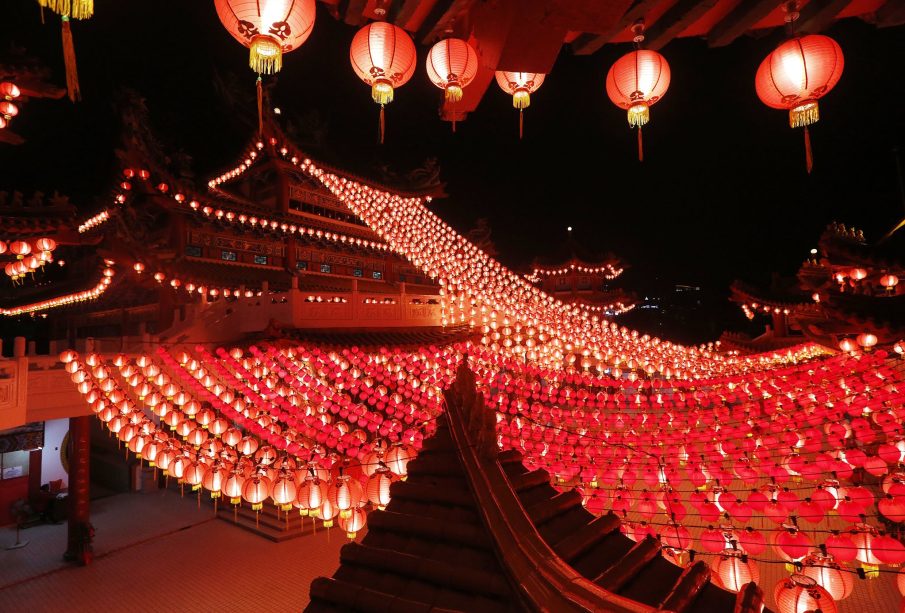
Central traditions include the family reunion dinner on New Year’s Eve, cleaning the home beforehand to remove bad luck, and decorating with red items and couplets to invite good fortune. The giving of red envelopes containing money—known as hongbao—is a widespread custom symbolising the transfer of good wishes and luck. Fireworks, lanterns, and the iconic lion and dragon dances are performed to celebrate and ward off misfortune.
The Chinese zodiac
Each lunar year is associated with one of 12 zodiac animals, which influences popular customs and expectations for the year ahead. Many people consult the zodiac for auspicious dates and personal forecasts, and it is a recurring theme in decorations and greetings.
Global impact
Beyond Asia, major cities with Chinese communities host parades, cultural performances and markets. The festival has a clear economic effect: retail sales often rise in the run-up to the holiday, while supply chains and workforce availability can be affected during the holiday period.
Conclusion: Significance and what readers should expect
Chinese New Year remains a culturally rich and widely observed festival with practical implications for travel, commerce and community life. For readers planning travel or business, advance planning is advisable to accommodate holiday closures and peak travel periods. Culturally, the festival offers an opportunity to learn about traditions that emphasise family, renewal and hope for the year ahead.





