Torvill and Dean: How Boléro Changed Ice Dancing
Introduction: Why Torvill and Dean matter
Torvill and Dean are among the most influential figures in British and international figure skating. Their artistic approach to ice dance and their headline-making 1984 Olympic performance made them household names and shifted public expectations of what could be achieved on ice. Understanding their contribution is important for readers interested in sport, performance and cultural moments that cross into the mainstream.
Main body: Career highlights and lasting impact
From competitive beginnings to Olympic gold
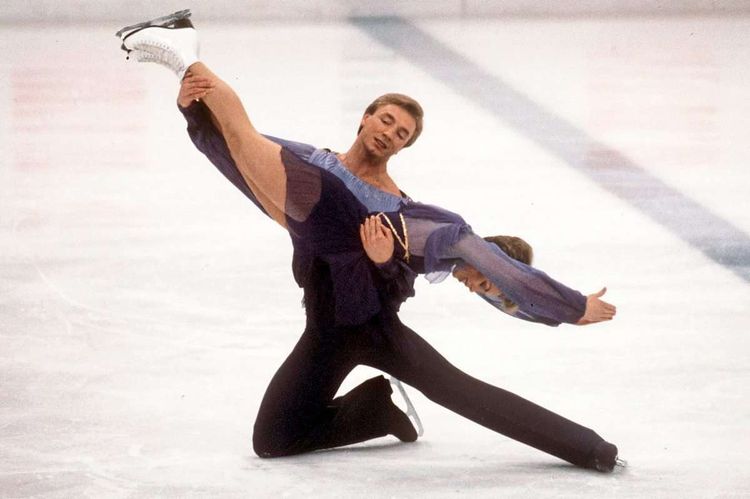
Jayne Torvill and Christopher Dean emerged as a partnership known for inventive choreography and dramatic storytelling. Their defining moment came at the 1984 Winter Olympics in Sarajevo, where their routine to Maurice Ravel’s Boléro captured global attention. The performance was widely celebrated for its musical interpretation, technical precision and theatrical unity; judges rewarded the duo with top marks for artistic impression, and the routine has since been cited as a landmark in ice-dance history.
Professional career and popular appeal
After their Olympic success, Torvill and Dean chose the professional route rather than returning immediately to amateur competition. They toured extensively, staged theatre-style ice productions and brought ice dance to broader audiences beyond traditional sporting venues. Their work blended elements of ballet, contemporary dance and narrative theatre, helping to raise the profile of ice dance as an art form as well as a competitive discipline.
Influence on skating and culture
Coaches, choreographers and competitors frequently reference Torvill and Dean when discussing innovation in programme design and musical interpretation. Their emphasis on storytelling and seamless movement influenced subsequent generations of skaters and contributed to a shift in how routines are conceived and judged.
Conclusion: Legacy and relevance for readers
Torvill and Dean’s legacy endures in both sport and popular culture. Their 1984 Boléro remains a touchstone for quality and creativity in ice dance, and their career demonstrates how athletic performance can resonate far beyond competition results. For readers, the pair’s story offers insight into the intersection of sport, art and national pride — and signals why their influence will continue to shape ice dance for years to come.





