Understanding the Olympic Medal Table and Its Impact
Introduction: Why the Olympic medal table matters
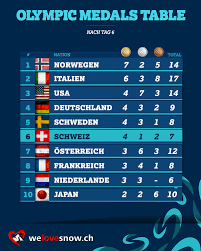
The olympic medal table is more than a scoreboard: it is a focal point for national pride, media coverage and sport policy. During the Games, the table gives audiences a simple way to compare national performances. Outside competition, it influences funding decisions, athlete recognition and public debate about sporting success. Understanding how the table is compiled and used helps readers put headlines into context.
Main body: How the table is compiled and why it sparks debate
Methodology and common conventions
The most common convention ranks countries by the number of gold medals won, followed by silver and bronze. This gold-first system is widely used by broadcasters and news organisations, although the International Olympic Committee does not officially endorse a single ranking method. Alternative approaches include ranking by total medals, weighting medals by value, or adjusting for population or GDP to show medals per capita.
Media, policy and public perception
Media outlets often present the medal table prominently because it creates a clear narrative across the Games. Governments and national sport bodies may use medal outcomes to justify investment in high-performance programmes or to reassess talent pathways. For athletes, national results can affect sponsorship and recognition; for the public, the table becomes a shorthand for success even though it does not reflect broader social or developmental benefits of sport participation.
Controversies and alternative metrics
Critics argue that raw rankings can be misleading: larger countries typically win more medals, while small nations can appear less successful despite efficient programmes. As a result, statisticians and commentators sometimes promote adjusted metrics — such as medals per capita, medals per athlete, or weighted scoring — to provide different perspectives on national performance.
Conclusion: Reading the table critically and what to expect
The olympic medal table will remain a central element of Olympic storytelling. Readers should treat rankings as one of several lenses on performance rather than a definitive measure of national sporting health. Expect continued debate about ranking methods and a growing use of alternative metrics in analysis. For those interested in sport policy or fan engagement, the key takeaway is to combine medal counts with context — size of delegation, investment levels and sporting priorities — to form a balanced view of success.





