What a Windows security update means for your PC
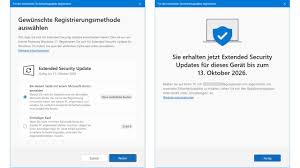
Introduction: Why Windows security updates matter
Windows security update processes are a key part of keeping devices, data and networks safe. With threats evolving continually, timely patches reduce the risk from malware, ransomware and exploitation of software flaws. Understanding how updates work and what action to take helps both individual users and organisations maintain resilience against cyber threats.
Main details: how updates arrive and what they include
Types of updates
A Windows security update can take several forms: security patches that fix vulnerabilities, cumulative updates that bundle fixes and improvements, and occasionally out-of-band updates released urgently for critical or zero‑day issues. Security updates often address vulnerabilities that, if left unpatched, could allow unauthorised access, data theft or service disruption.
Distribution and cadence
Microsoft distributes updates through Windows Update and related services. Many updates are offered on a regular cadence, with additional releases as required. Businesses commonly use management tools such as Windows Server Update Services (WSUS), Microsoft Endpoint Configuration Manager or Intune to schedule, test and deploy updates across endpoints in a controlled manner.
Practical considerations
Before installing updates, users should ensure important files are backed up and that devices have sufficient battery and disk space. For organisations, staging updates in a test environment and using phased rollouts reduces the chance of widespread incompatibilities. Keep automatic updates enabled where feasible, but configure maintenance windows and restart policies to minimise disruption.
Conclusion: What readers should do and the outlook
Regularly applying a Windows security update is one of the simplest and most effective steps to protect devices. Individuals should enable updates and restart devices promptly; organisations should adopt formal patch management processes and prioritise critical fixes. Looking ahead, patches will remain essential as attackers look for new weaknesses, so staying informed and maintaining disciplined update routines is vital to reduce risk and maintain operational continuity.





