Met Office snow weather forecast: what to expect and how to prepare
Introduction: why snow forecasts matter
Snow weather forecasts from the Met Office are closely watched across the UK because they directly affect travel, public services and personal safety. Accurate forecasting helps local authorities, transport operators and households prepare for disruption to roads, rail services and schools. Clear, timely guidance is particularly relevant during winter months when even modest snowfall can have outsized effects on communities.
Main body: how forecasts are produced and what they mean
How the Met Office forecasts snow
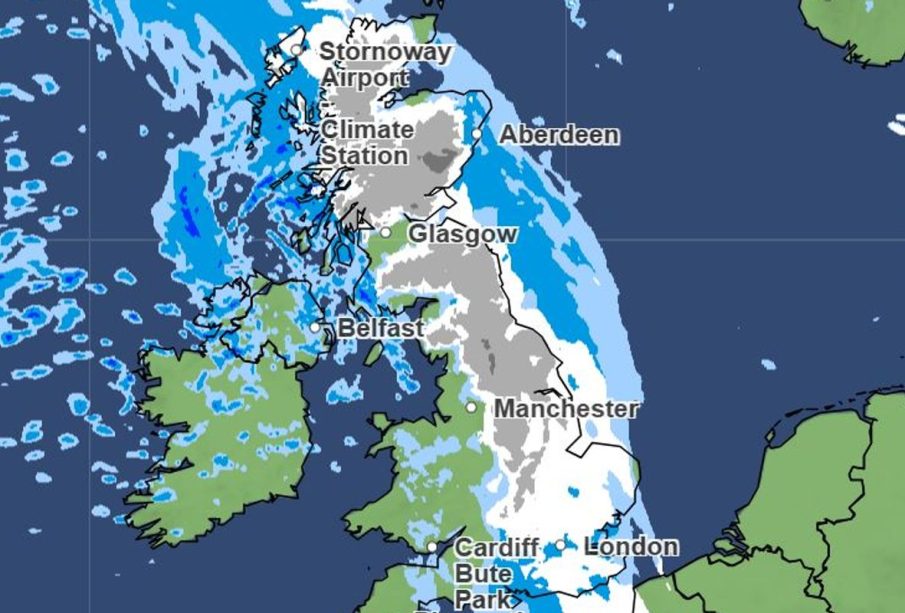
The Met Office combines observations from weather stations, radar and satellites with computer models to produce snow forecasts at national and regional scales. Forecasters assess the likely timing, location and intensity of snowfall and translate model output into practical guidance, including expected accumulation ranges and likely timings for onset and clearance.
Warnings and public guidance
The Met Office issues colour-coded warnings—Yellow, Amber and Red—based on the expected impacts of snow and icy conditions. A Yellow warning signals that disruption is possible and people should plan ahead; Amber indicates a greater likelihood of travel and infrastructure impacts; Red warns of widespread disruption and danger to life in extreme cases. The Met Office also provides maps, hourly forecasts and localised updates on its website, app and social channels.
Practical implications
Snow forecasts guide actions by transport operators, schools and councils. Gritting and snow-clearing priorities are set by local authorities, and rail and road operators may adjust timetables or issue travel advisories. For individuals, actions include checking forecasts before travelling, allowing extra journey time, carrying winter tyres or chains where appropriate, and ensuring vulnerable neighbours have assistance if needed.
Conclusion: implications and next steps for readers
Met Office snow weather forecasts play a key role in reducing risk and managing disruption during winter. Readers should monitor Met Office warnings and local authority updates, plan travel with contingency, and prepare property and supplies for brief periods of severe weather. Looking ahead, advances in forecasting continue to improve lead time and accuracy, helping communities respond more effectively to snowfall events.





