Understanding the Bangladesh Election Results
Introduction: Why Bangladesh election results matter
Bangladesh election results are closely watched at home and abroad because they determine the composition of the Jatiya Sangsad (national parliament) and the government that will lead the country for the next five years. The outcome affects domestic policy on the economy, development, law and order, and foreign relations in a strategically important region. For voters, the results are the most direct expression of political preference; for regional partners and international observers, they indicate Bangladesh’s democratic health and stability.
Main body: How results are produced and what to look for
Counting process and official declaration
Election authorities, led by the Bangladesh Election Commission, are responsible for tallying votes and declaring official results for parliamentary constituencies. Most seats are decided using a first-past-the-post system, with the party or coalition commanding a majority able to form government. The Commission typically releases constituency-level results progressively as counts finish.
Key political actors and contest dynamics
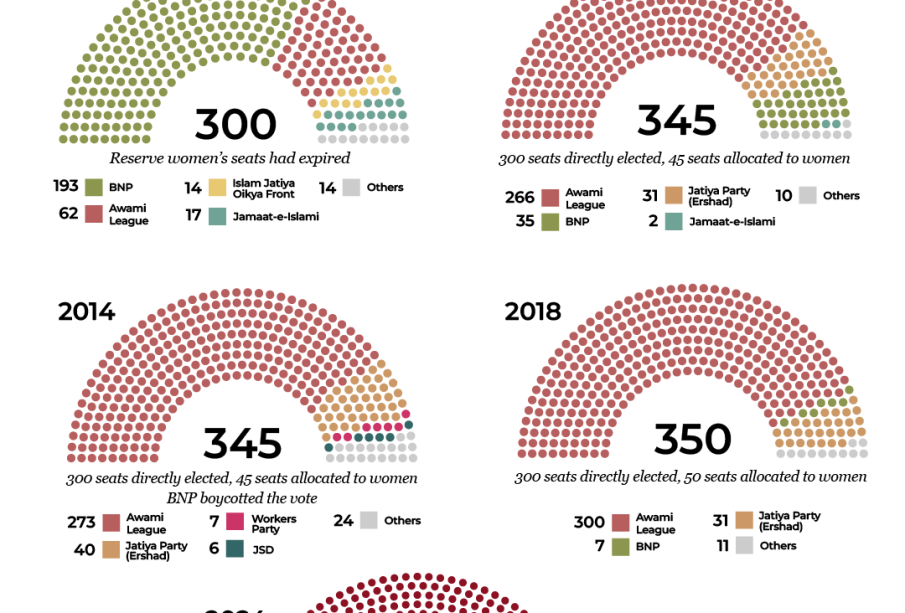
The political landscape in Bangladesh has been dominated in recent decades by two broad groupings, one led by the Bangladesh Awami League and the other by the Bangladesh Nationalist Party (BNP), alongside smaller parties and independent candidates. Election outcomes hinge on urban and rural voting patterns, turnout, campaign issues such as the economy and public services, and how effectively parties mobilise supporters.
Verification, disputes and observation
Close contests may prompt recounts, legal petitions or electoral complaints. Domestic watchdogs and international observers often monitor the process for transparency and adherence to electoral norms. Any significant irregularities reported by credible observers can lead to protests, court challenges or demands for remedial action by the Election Commission.
Conclusion: What the results mean and what to watch next
The immediate significance of Bangladesh election results lies in who will lead the executive and set policy priorities. In the days after official declarations, attention will focus on coalition-building, cabinet appointments and the response of opposition parties. For citizens and businesses, stability and predictability in governance are key. Readers should watch official statements from the Election Commission, responses from major parties, and assessments by independent observers to understand the full implications of the results for Bangladesh’s domestic trajectory and international relations.





