Understanding Chinese New Year: Traditions and Significance
Introduction: Why Chinese New Year matters
Chinese New Year, also known as the Lunar New Year or Spring Festival, is one of the most important annual celebrations for hundreds of millions of people worldwide. Rooted in the traditional lunisolar calendar, it marks a time of family reunions, renewal and cultural expression. Its influence reaches beyond mainland China to communities across East and Southeast Asia and the global Chinese diaspora, affecting travel, commerce and public life.
Main body: Dates, customs and contemporary practice
When it falls
The date of Chinese New Year changes each year because it follows the lunisolar calendar; it always falls between 21 January and 20 February. The festival begins on the first day of the first lunar month and celebrations traditionally continue until the Lantern Festival on the 15th day.
Key traditions
Family reunions are central: many people return home for the reunion dinner on New Year’s Eve. House cleaning beforehand symbolises sweeping away bad luck, while decorating with red paper, couplets and lanterns is believed to invite good fortune. Children often receive red envelopes (hongbao) containing money. Lion and dragon dances, fireworks and temple visits are common public elements that combine performance, religion and community spirit.
Zodiac and symbolism
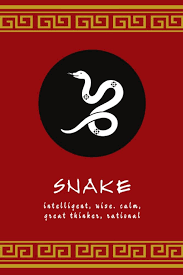
The Chinese zodiac cycles through 12 animals—Rat, Ox, Tiger, Rabbit, Dragon, Snake, Horse, Goat, Monkey, Rooster, Dog and Pig—each associated with particular years and folklore attributes. People often look to their zodiac sign for personality traits or yearly forecasts.
Modern effects
In mainland China the Spring Festival holiday typically lasts about a week, and the period gives rise to chunyun, the world’s largest annual human migration as millions travel home. Cities and businesses around the world host public events and markets for the holiday, reflecting its growing global presence.
Conclusion: Significance and outlook
Chinese New Year remains a powerful blend of tradition and modern life: it preserves rituals passed through generations while adapting to contemporary patterns of work, travel and global celebration. For readers, the season is a reminder of family ties and cultural continuity, and an opportunity to experience or respect a festival that shapes the lives of many across the world. Observance and public festivities are likely to continue evolving, but the festival’s core themes of renewal and community endure.





