Understanding the Curling Stone: Material, Use and Significance
Introduction: Why the curling stone matters
The curling stone is central to the sport of curling and to its strategy, skill and spectacle. Small differences in a stone’s surface, weight and handling can change the outcome of an end, so understanding the object itself is important for players, ice technicians and spectators. With international competitions and community rinks alike, the curling stone remains a defining element of the game.
Main body: Materials, design and on-ice behaviour
Construction and material
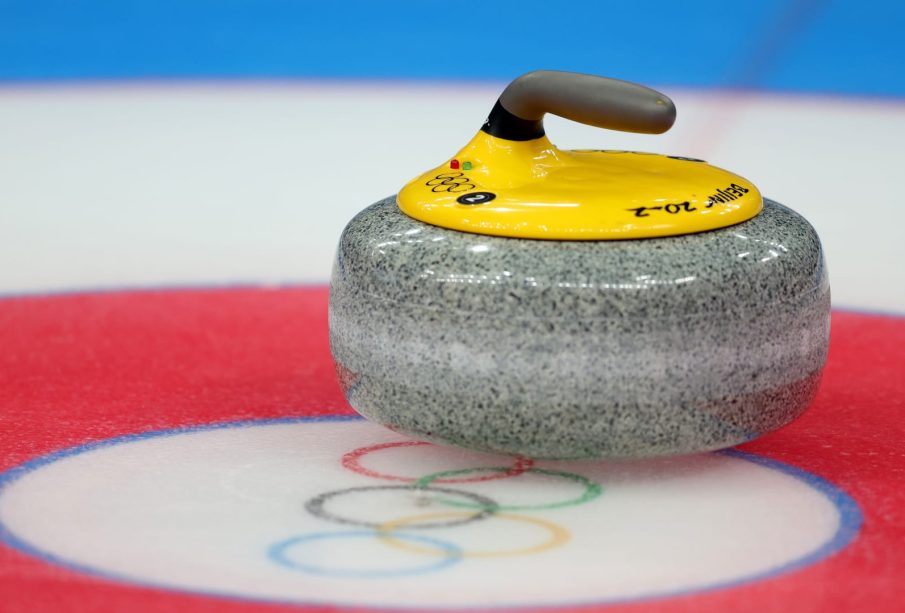
Competition curling stones are traditionally made from dense, fine-grained granite chosen for durability and low water absorption. Granite from islands such as Ailsa Craig has a long association with the sport because of its favourable properties. Each stone comprises a rounded body with a narrow running band on which it contacts the ice, and a removable handle fixed to the top for delivery and identification.
Specifications and identification
Official stones used in organised play conform to set weight and size ranges to ensure consistency across sheets. They are often marked or stamped and colour-coded handles are used to distinguish teams on the ice. Proper identification helps officials and players maintain fairness and continuity during play.
How stones behave on ice
A stone’s path is determined by its delivery—direction, rotation and force—and by the condition of the ice. The textured pebble on the ice surface and the stone’s rotation together produce the characteristic curl, allowing skilled players to guide stones around guards and into scoring positions. Sweeping ahead of a moving stone modifies the ice contact and can reduce friction, letting the stone travel faster and straighter for longer.
Care and maintenance
Regular maintenance of stones and ice is essential. Stones are inspected for chips and damage, handles are checked for security, and ice technicians manage pebble and temperature to keep play consistent. Proper care extends the life of stones and preserves fair competition.
Conclusion: Significance and outlook
The curling stone is more than an implement; it shapes tactics, training and rink maintenance. Advances in material science and ice preparation continue to influence how stones perform, but the fundamental relationship between stone, ice and player remains unchanged. For anyone involved in or watching curling, appreciating the role of the stone enhances understanding of the sport and its subtleties.





