British Airways: Role, Operations and Outlook
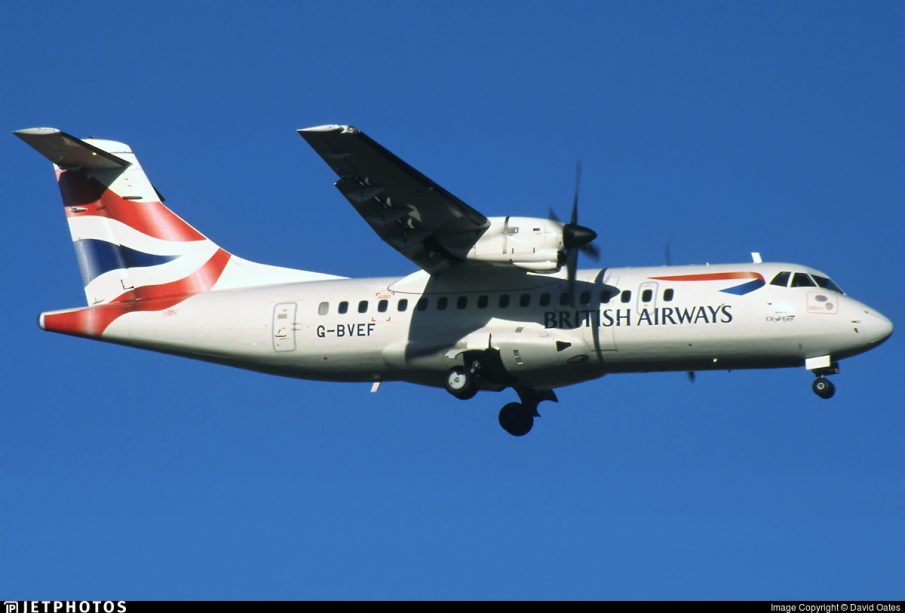
Introduction: Why British Airways matters
British Airways is the United Kingdom’s flag carrier and one of the most recognisable names in global aviation. Its network and operations connect the UK with continents worldwide, supporting business, tourism and trade. Understanding the airline’s structure, hubs and fleet is relevant to passengers, industry observers and policymakers because decisions by major carriers influence travel capacity, connectivity and economic activity.
Main body: Structure, operations and capacity
Background and organisation
British Airways was formed in 1974 through the merger of two state-owned carriers and later privatised. It is a founding member of the International Airlines Group (IAG), a holding group that brings together several European carriers under a single corporate umbrella. The airline is headquartered in London and operates from major airports across the UK and internationally.
Network and hubs
London Heathrow serves as British Airways’ principal hub, providing extensive long-haul and short-haul connections. The carrier also maintains significant operations at other London airports and regional airports across the UK, linking secondary cities to international destinations. Its network includes scheduled services to Europe, the Americas, Asia, Africa and the Middle East.
Fleet and passenger services
British Airways operates a mixed fleet of Airbus and Boeing aircraft configured for short-haul and long-haul services. The airline offers a range of cabin classes and services tailored to differing customer needs, including business-focused offerings on long-haul routes. As with other major carriers, fleet modernisation and environmental considerations are ongoing priorities for operational planning.
Conclusion: Significance and outlook for readers
As a leading international carrier, British Airways plays a central role in maintaining the UK’s air connectivity. For travellers, the airline’s network and service offerings determine route options and travel experience; for the broader economy, its capacity affects tourism and commerce. Looking ahead, passengers and observers should watch developments in fleet renewal, sustainability commitments and network adjustments, which will shape how the airline responds to changing demand and regulatory expectations.





