Understanding First Cousin Marriage: Legal, Cultural and Health Aspects
Introduction: Why first cousin marriage matters
First cousin marriage is a topic that intersects family life, cultural tradition, public policy and health. Its relevance extends from personal decision-making to legal frameworks and medical counselling. Debates about first cousin marriage touch on ethics, social norms and the ways societies balance individual choice with community concerns. Clear, neutral information helps readers appreciate the complexity of the issue and the factors people and policymakers often consider.
Main body: Context, facts and considerations
Cultural and historical context
Marriage between first cousins has been practised in many parts of the world and remains common in some communities for reasons that include preserving family ties, consolidating resources and following custom. Attitudes vary widely: in some societies it is routine and socially accepted, in others it is uncommon or stigmatized. Understanding local cultural history is important when considering the social implications of such unions.
Legal status and public policy
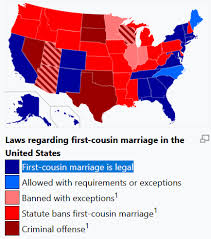
Laws and regulations about first cousin marriage differ between jurisdictions. Some countries permit it outright, others impose restrictions, and some allow it under specified conditions. Legal approaches are shaped by a mix of historical precedent, religious practice and public health considerations. Where laws exist, they may influence access to marriage registration, inheritance and family law protections.
Health and genetic considerations
Marriage between close relatives can raise genetic questions because of shared ancestry. Clinicians and genetic counsellors often discuss potential risks with couples who are related, offering information about inherited conditions and available tests. Many health services recommend that prospective couples seek counselling so they can make informed choices about family planning and screening options.
Conclusion: Practical implications and outlook
First cousin marriage is a multifaceted subject with cultural, legal and health dimensions. For individuals and families, the priority is informed decision-making supported by culturally sensitive advice and appropriate medical guidance. For policymakers and practitioners, balancing respect for tradition with public health and legal considerations remains important. Readers considering this topic should seek local legal information and, when relevant, consult healthcare professionals for personalised advice.





