Skeleton at the Winter Olympics: Fast, Precise and Growing
Introduction: Why skeleton matters at the Winter Olympics
Skeleton is one of the most striking and high‑risk events at the Winter Olympics, combining speed, precision and athleticism. The sport’s visual drama — athletes hurtling head‑first down an icy track — makes it highly relevant for broadcasters, national federations and fans. As an Olympic discipline it showcases advances in equipment, training and track design, and attracts athletes from a growing range of winter sport nations.
Main body: History, format and key facts
Origins and Olympic history
Skeleton has roots in late 19th‑century Cresta Run activity in St Moritz. It first appeared at the Winter Olympics in St Moritz in 1928 and 1948 and was reintroduced as a permanent Olympic discipline in 2002. The International Bobsleigh and Skeleton Federation (IBSF) is the sport’s governing body, responsible for competition rules, safety standards and the World Cup circuit.
How the event works
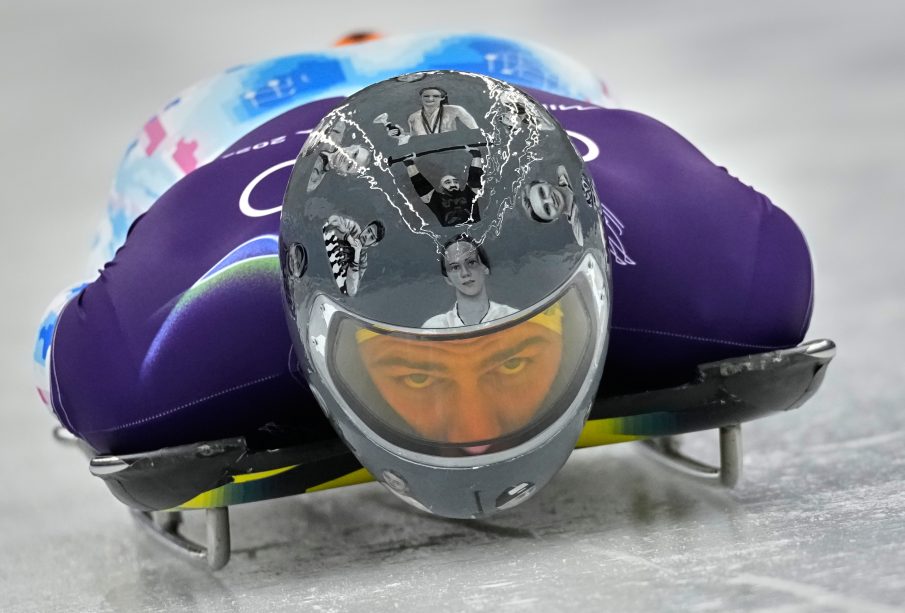
In skeleton, an athlete lies face‑down and head‑first on a small, specialised sled and steers by subtle shifts of body weight and shoulder pressure. Runs begin with a sprint‑push start where competitors propel the sled before diving on. Olympic competitions are decided over multiple timed runs, with combined time determining final positions. Races are often decided by hundredths or thousandths of a second, underlining the importance of technique, sled setup and ice conditions.
Performance and safety
Competitors can reach very high speeds — often exceeding 120 km/h on some tracks — making protective equipment and track safety paramount. Advances in helmet design, sled materials and track maintenance have reduced risks, while athlete preparation emphasises starts, aerodynamics and physical conditioning. Women’s skeleton was introduced at the 2002 Winter Olympics, reflecting wider growth and equal‑opportunity trends in sliding sports.
Conclusion: Outlook and significance for readers
Skeleton’s blend of speed, precision and spectacle means it is likely to retain strong Olympic appeal. Continued investment in youth development, coaching and safety technologies should broaden the field of competitive nations and raise performance levels. For viewers, skeleton offers compact, thrilling competition where tiny margins decide champions — and for aspiring athletes, it presents a clear pathway from World Cup events to Olympic podiums.





