What Moves the Barclays Share Price?
Introduction: Why the Barclays share price matters
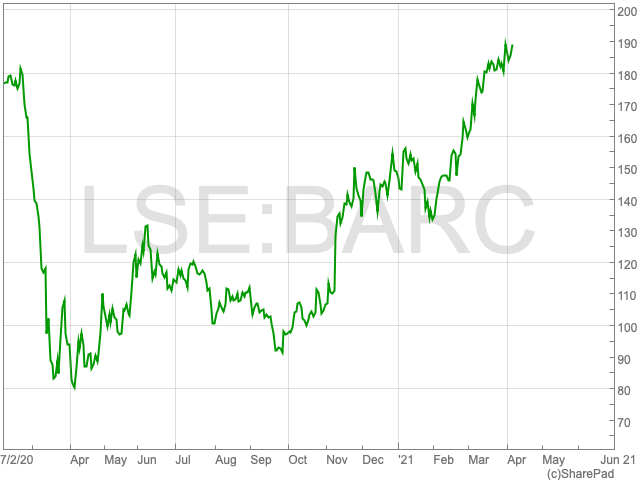
Barclays is one of the United Kingdom’s largest banks, and its share price is closely watched by retail and institutional investors alike. Movements in the Barclays share price influence retirement funds, wealth portfolios and market sentiment about the UK banking sector. Understanding the main drivers behind the stock can help readers assess risk, opportunity and the broader economic implications.
Main drivers affecting the Barclays share price
Macro-economic conditions
Interest rates, inflation and economic growth affect bank profitability. Higher interest rates can widen net interest margins for lenders, potentially supporting the Barclays share price, while recessionary pressures can increase loan defaults and weigh on valuations. Investors typically watch Bank of England policy announcements and UK growth indicators for cues.
Company performance and earnings
Quarterly results, revenue mix between retail banking and investment banking, and trends in loan growth and costs are key company-specific factors. Strong earnings releases, positive guidance and sustained dividend or buyback programmes tend to support the share price; disappointments or rising impairment charges can depress it.
Regulation and capital metrics
Regulatory actions, capital adequacy requirements and stress-test outcomes influence investor confidence. Barclays’ capital ratios, liquidity position and compliance with banking regulations are closely monitored for signs of resilience or vulnerability.
Market sentiment and global factors
Global market volatility, currency movements and geopolitical developments also move the stock. As Barclays has international operations, developments in major markets and shifts in investor risk appetite will affect the share price.
Conclusion: What investors should watch
Short-term movements in the Barclays share price often reflect earnings beats or misses, central bank decisions and sudden shifts in market sentiment. Over the medium to long term, sustainable loan growth, stable capital ratios, cost control and clarity on dividend policy are more important. Investors should monitor upcoming quarterly reports, Bank of England communications and sector-wide regulatory news. As with any equity, diversification and a clear assessment of risk tolerance are essential; consider seeking personalised advice from a qualified financial adviser before making investment decisions.