Understanding the Olympic medal table
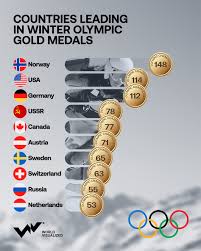
Introduction: Why the olympic medal table matters
The olympic medal table is a shorthand that attracts intense public and media attention at every Olympic Games. It appears to quantify national sporting success, offering an easy-to-follow scoreboard that shapes narratives about countries’ investment in sport, national pride and international standing. Understanding how the table is compiled and what it does — and does not — show is important for readers who want a clearer picture of Olympic performance beyond simple medal tallies.
Main body: How the table works and what it shows
How rankings are calculated
Most media outlets and broadcasters present a medal table ordered by the number of gold medals, with silver and bronze used to break ties. This convention emphasises top podium finishes, underlining the value placed on first place. However, the International Olympic Committee (IOC) does not promulgate an official country ranking; the IOC provides results by event and athlete but leaves national comparisons to others.
Alternative approaches and metrics
Critics argue that ranking solely by gold medals can obscure broader success. Alternative methods include ordering by total medals, weighting medals (for example, three points for gold, two for silver, one for bronze), or adjusting counts for population and economic size to produce medals-per-capita or medals-per-GDP measures. These approaches offer different perspectives: total medals reward depth, while per-capita metrics highlight efficiency of sporting systems.
Factors that influence the table
Several structural factors shape the standings: the number and type of events, investment in targeted sports, talent identification systems, and the advantage enjoyed by host nations. Post-Games adjustments — such as disqualifications for doping and subsequent medal reallocations — can also change final tables months or years after competitions conclude, affecting historical records and national tallies.
Conclusion: Significance and outlook
The olympic medal table will continue to drive headlines and national conversations, but readers should treat it as a starting point rather than a definitive measure of sporting strength. Comparing nations requires context: the choice of ranking method, event mix, and off-field factors all matter. For future Games, expect ongoing debates over the best way to represent Olympic success, as statisticians, fans and policymakers explore more nuanced metrics that reflect both excellence and breadth.