Harry Enfield: A Look at His Career and Cultural Legacy
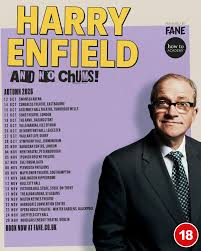
Introduction: Why Harry Enfield Matters
Harry Enfield is a prominent figure in British comedy whose sketch characters and observations of everyday life have shaped UK humour since the late 1980s. Understanding Enfield’s work is important for appreciating the development of character-led sketch comedy on television and the way satirical personas can capture public conversation and social trends.
Main body: Career, Characters and Contributions
Early career and breakthrough
Born in 1961, Harry Enfield emerged as a writer and performer at a time when British sketch comedy was evolving. He rose to national attention with television programmes in the early 1990s that combined sharp social parody with memorable recurring characters. Enfield’s approach blended broad characterisation with pointed cultural critique.
Iconic characters and shows
Enfield is best known for creating and performing a string of distinctive characters, including Loadsamoney, Tim Nice-But-Dim, The Scousers and Kevin the Teenager. These personas featured prominently in shows such as “Harry Enfield’s Television Programme” and “Harry Enfield and Chums”, which established catchphrases and sketched scenes that entered everyday British conversation. His collaborations with fellow comedians, notably Paul Whitehouse and Kathy Burke, helped define the tone of the era’s sketch comedy.
Film and wider work
Some of Enfield’s characters moved beyond television into other media. The teenage characters Kevin and Perry were adapted into the 2000 film “Kevin & Perry Go Large”, a project that brought Enfield’s sketch creations to a wider audience. Throughout his career he has worked across television and radio, writing, acting and occasionally returning to stage and screen projects that revisit or rework earlier material.
Conclusion: Legacy and Future Relevance
Harry Enfield’s influence endures in the craft of British sketch comedy. His character-driven satire provided a template for subsequent performers and writers who balance broad humour with social commentary. For contemporary audiences, Enfield’s work remains a reference point for 1990s British culture and a source of continuing influence on comedians who draw on character and catchphrase to reflect social attitudes. As archives and streaming make classic television more accessible, Enfield’s sketches will likely continue to be rediscovered and reassessed by new generations of viewers and comedy-makers.