Flight Radar: Understanding Its Role in Modern Airspace
Introduction: Why flight radar matters
Flight radar systems have become integral to how the public, industry and authorities understand and manage the skies. As commercial aviation, private flights and unmanned aircraft operate in increasingly busy airspace, the ability to observe aircraft positions in near real time supports safety, operational efficiency and public information. The topic is relevant to passengers, aviation professionals and communities near airports who rely on clear, timely information about aircraft movements.
Main body: Uses, capabilities and considerations
How flight radar is used
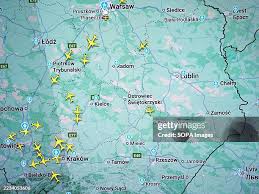
Flight radar tools aggregate signals broadcast by aircraft and data from radar and other sensors to present routes, altitudes and identifiers on interactive maps. Airlines and airports use these services for operational planning and delay mitigation. Emergency services and search-and-rescue teams can draw on tracking information to coordinate responses. Journalists, researchers and enthusiasts commonly use flight radar to monitor scheduled services, diversions and unusual activity.
Capabilities and data sources
Modern flight radar platforms combine several data sources. These include radio transmissions from aircraft transponders, multilateration and radar feeds provided by air navigation service providers. Many platforms offer filters for aircraft type, airline or flight number, and provide historical playback to review past movements. The result is a visual and data-rich representation of air traffic in a given region.
Challenges and responsible use
While flight radar services increase transparency, they also raise technical and policy considerations. Data accuracy depends on sensor coverage and the quality of inputs; gaps can exist in remote regions. There are also privacy and security debates about the public display of some flights, prompting operators and regulators to balance openness with protections for sensitive movements. Users should be aware that not all aircraft are visible and that displayed information may lag behind real-time operations.
Conclusion: Significance and outlook
Flight radar systems play a growing role in aviation oversight, public information and operational decision-making. As sensor networks expand and data-sharing evolves, these tools are likely to become more comprehensive and accessible. For readers, understanding the strengths and limits of flight radar helps set realistic expectations about what such services can reveal and how they contribute to safer, more transparent airspace management.





