Wuthering Heights Review: Why Brontë’s Novel Still Resonates
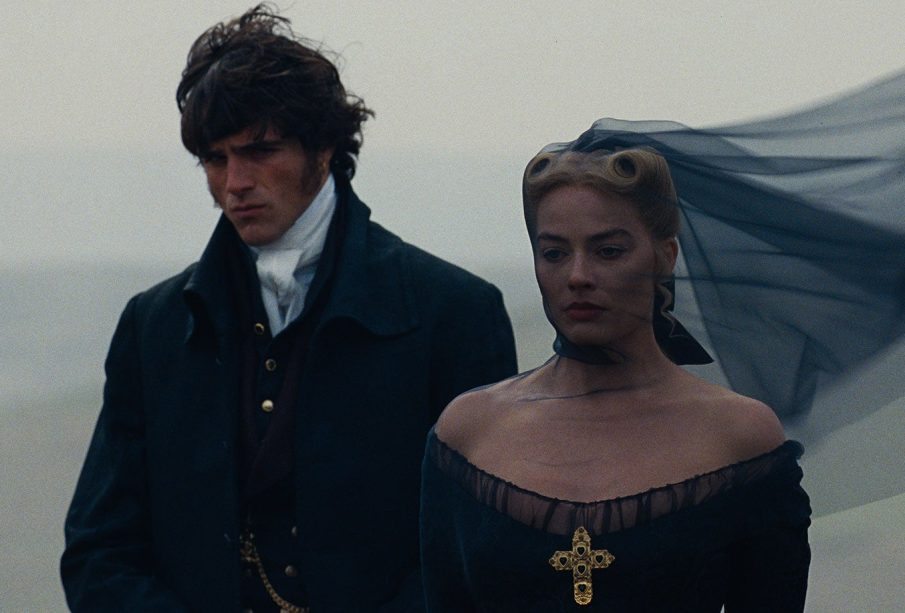
Introduction: The continuing importance of a Wuthering Heights review
Wuthering Heights review pieces remain relevant because Emily Brontë’s only novel endures as a touchstone of English literature. First published in 1847 under the pseudonym Ellis Bell, the book has prompted debate for generations over its portrayal of passion, revenge and the rural landscape. Revisiting the novel in review form helps readers and scholars assess its themes, historical context and the varied responses it continues to provoke.
Main body: Themes, structure and critical reception
Plot and narrative voice
Wuthering Heights presents a framed narrative in which events are recounted by multiple narrators, creating layers of perspective. At its centre are the intertwined lives of Heathcliff and Catherine Earnshaw, whose volatile relationship and its aftermath drive much of the novel’s dramatic action. The structure contributes to the novel’s tension and to its reputation as emotionally intense and formally innovative.
Major themes
Commonly noted themes in any Wuthering Heights review include destructive love, social class and the influence of place. The Yorkshire moors are integral not merely as backdrop but as a force shaping characters’ identities and moods. Critics also highlight Brontë’s exploration of how resentment and obsession can affect successive generations.
Reception and adaptation
Contemporary responses to the novel were mixed, with some early readers unsettled by its moral ambiguity and raw emotion. Over time, critical opinion shifted, and Wuthering Heights has been re-evaluated as a complex, modern work. Its lasting influence is visible in numerous stage, film and television adaptations, which continue to bring the story to new audiences and prompt fresh Wuthering Heights review perspectives.
Conclusion: Significance for readers and future outlook
A Wuthering Heights review helps clarify why the novel still matters: it challenges readers with its psychological intensity and formal daring while offering rich material for interpretation. For modern readers, the book invites reflection on passion, power and the social forces that shape lives. Future reviews are likely to focus on fresh theoretical lenses—such as ecology, gender studies and postcolonial critique—ensuring that Brontë’s novel remains a living subject of literary conversation.





