Understanding the Curling Stone: History, Design and Use
Introduction: Why the Curling Stone Matters
The curling stone is central to the sport of curling and plays a decisive role in strategy, skill and outcomes. Its design, material and handling directly influence shot-making, ice preparation and competitive fairness. Understanding the curling stone is important for players, coaches, ice technicians and fans interested in how equipment shapes the modern game.
Main body: History, Design and Use
Origins and significance
Curling has deep roots in Scotland, where early versions of the stone were carved from locally available rock. Over centuries the curling stone became a specialised piece of equipment associated with the game’s traditions and clubs. Its continued use in international competitions, including the Winter Olympics, has reinforced its iconic status.
Materials and construction
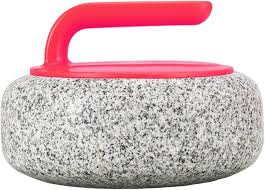
Modern curling stones are typically made from dense, fine-grained granite selected for its durability and resistance to chipping. Traditional and notable sources of suitable granite have included islands and coastal quarries whose stone has proven particularly resilient. Each stone features a handle attached to the top and a running band on the underside that contacts the ice. The combination of granite, precise shaping and a smooth running band produces the distinctive glide and controllable curl that players rely on.
Specifications and on-ice behaviour
Competition stones generally fall within a defined weight range and dimensions to ensure consistency between teams and events. When delivered, a stone’s path is influenced by the initial rotation (or curl) applied by the thrower and by sweeping ahead of the stone. Sweeping slightly melts and polishes the pebble on the ice surface, reducing friction and allowing the stone to travel farther and curl less. Mastery of delivery, rotation and sweeping makes effective use of the stone’s physical properties.
Conclusion: Significance and outlook
The curling stone remains central to the sport’s identity and competitive integrity. Continued attention to material sourcing, quality control and ice preparation ensures fair play and preserves tradition. For players and supporters, knowledge of the stone’s construction and behaviour improves appreciation of technique and tactics. As curling evolves, the curling stone will continue to be both a practical tool and a symbol of the game.





