The First Winter Olympics: Chamonix 1924 and Its Legacy
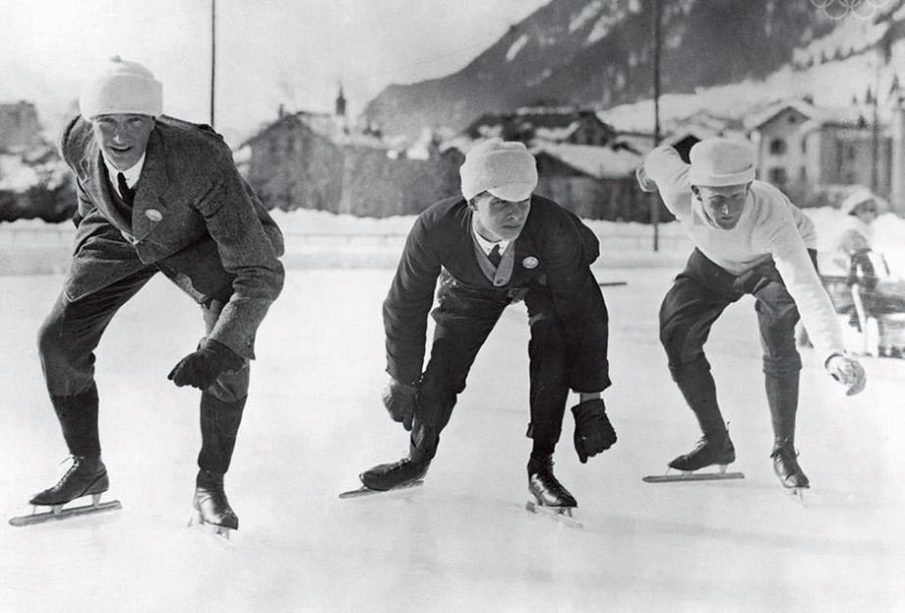
Introduction: Why the first Winter Olympics matter
The first Winter Olympics mark the formal beginning of an international celebration of winter sport and athletic excellence. Recognised by the International Olympic Committee as the inaugural Winter Games, the 1924 gathering in Chamonix, France, set traditions, competitive formats and an international profile that continue to shape the Winter Olympics today. Understanding this origin helps readers appreciate how winter sport has grown in scale, technology and global reach.
Main body: The Chamonix meeting and its key features
From a winter sports week to Olympic status
Held in late January and early February 1924, the event was originally organised as the “International Winter Sports Week”. Following the meeting, the IOC retroactively designated it the I Olympic Winter Games. The week-long programme brought together athletes from around 16 nations to contest early versions of winter disciplines. Competitions included figure skating, ice hockey, bobsleigh and various skiing events, establishing a competitive template that organisers would refine in subsequent editions.
Sporting and organisational impact
Chamonix demonstrated that winter sports could draw international participation, spectator interest and media attention. The Games highlighted logistical challenges — from transport and accommodation to reliable ice and snow conditions — and prompted organisers to develop more formal event standards and timing systems. The success of Chamonix encouraged the IOC to continue staging a Winter Games alongside the Summer Olympics, initially in the same year and later on a staggered four-year cycle.
Conclusion: Legacy and what it means today
The first Winter Olympics in Chamonix remain a milestone in international sport. They established a framework that allowed winter disciplines to mature into highly technical, professional competitions attracting athletes from a growing number of countries. Looking ahead, the legacy of those early Games informs current debates about sustainability, climate resilience, and the costs of hosting. For readers, Chamonix 1924 is more than a historical footnote: it is the foundation of a global sporting tradition that continues to evolve in response to technological, environmental and social change.





