Princess Anne: Public Service and Equestrian Legacy
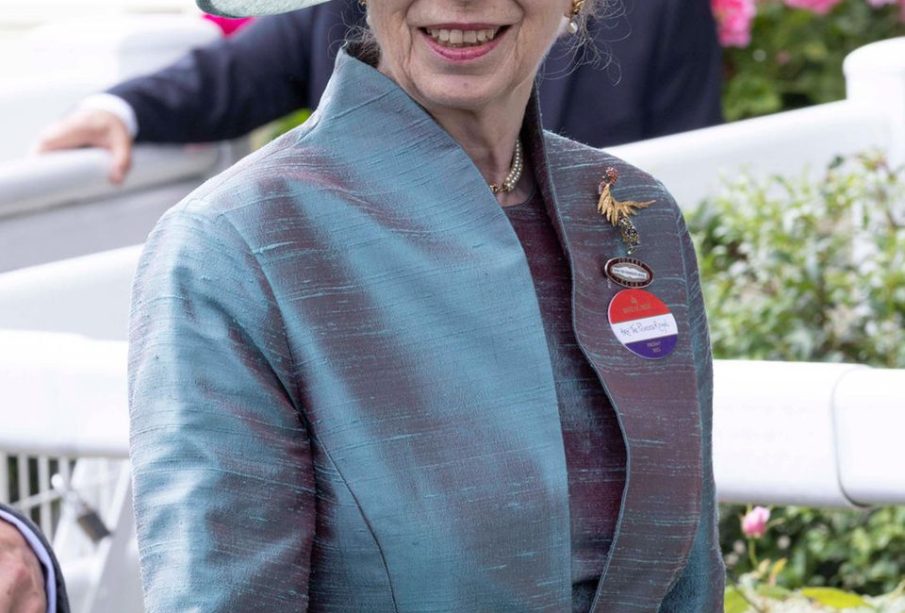
Introduction: Why Princess Anne matters
Princess Anne, the Princess Royal, is one of the most recognisable and long-serving members of the British royal family. As the only daughter of Queen Elizabeth II and Prince Philip, Duke of Edinburgh, her public role spans decades of service. Interest in Princess Anne reflects wider public attention on the monarchy’s duties, charitable work and continuity of tradition in modern Britain.
Main body: Career, public duties and background
Royal responsibilities and reputation
Princess Anne has built a reputation for dedication and discipline. She was granted the title Princess Royal in 1987 and is frequently cited for her steady fulfilment of official engagements. Her approach is widely described as businesslike and no-nonsense, and she undertakes a broad programme of public duties across the United Kingdom and overseas.
Charity and patronage
Throughout her public life Princess Anne has been associated with numerous charitable organisations and causes. She acts as patron or president for a range of charities covering issues such as health, education and social welfare. Her long-term support of charitable organisations illustrates the monarchy’s role in raising awareness and lending profile to social causes.
Equestrian achievements
Princess Anne is also known for her involvement in equestrian sport. An accomplished rider, she competed at high levels and represented Britain on the international stage, including at the Olympic Games. Her ongoing interest in equestrianism has marked her as a prominent figure in British sporting circles as well as in public life.
Family and personal life
Princess Anne is mother to two children and has balanced family life with public duties. Her personal life, like those of other senior royals, continues to attract public interest while she maintains a focus on official responsibilities.
Conclusion: Significance and outlook
Princess Anne’s longstanding commitment to duty, charity and sport underlines her importance within the royal family and to many organisations she supports. As the monarchy adapts to changing times, her steady presence and experience are likely to remain significant for public engagements and institutional continuity. For readers, her career offers a clear example of how royal roles can combine ceremonial duties with practical advocacy on social issues.





