Milan Weather: What to Expect Through the Year
Introduction
Understanding milan weather is important for residents, commuters, tourists and businesses. Milan’s position in the Po Valley and its role as Italy’s financial and fashion hub mean that day-to-day conditions can affect transport, events, retail and public health. Clear information on seasonal patterns and emerging trends helps readers plan travel, dress appropriately and anticipate disruptions linked to extreme conditions.
Main body
Climate and geography
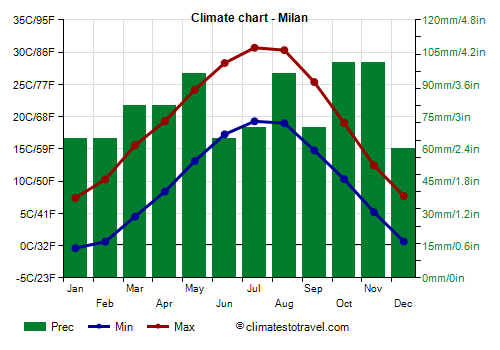
Milan lies in northern Italy on the plain of the Po Valley. The city’s climate is generally described as humid subtropical (Cfa), influenced by continental patterns and nearby Alpine ranges. Geography encourages temperature swings, frequent fog in autumn and winter, and occasionally persistent humidity during summer months.
Seasonal patterns
Spring is typically mild and increasingly pleasant, with temperatures rising and occasional showers. Summers are usually warm to hot and humid, with daytime highs often in the mid to high 20s °C and heatwaves that can push temperatures higher. Thunderstorms become more likely in the warmer months. Autumn brings cooling temperatures, increased rainfall and a return of foggy mornings. Winters are cool to cold, with mean temperatures often close to freezing at night; snowfall can occur but heavy accumulations are less common than in mountainous areas.
Recent trends and climate impacts
Like many urban areas, Milan has experienced shifts associated with climate change: hotter summers, longer warm periods and more intense short-duration rainfall events. The urban heat island effect amplifies night-time temperatures within the city centre. These trends raise concerns about heat-related health effects, flash flooding in low-lying areas and strain on infrastructure during extreme events.
Practical implications
Travel and event organisers should monitor forecasts closely, particularly during transitional seasons. Residents are advised to prepare for summer heat by staying hydrated and using shaded areas, while winter drivers should be ready for fog and intermittent snow or ice. Visitors should pack layers to accommodate rapid changes between day and evening conditions.
Conclusion
Milan weather exhibits clear seasonal rhythms shaped by its geography and wider climate trends. While routine forecasts guide short-term planning, long-term shifts point to hotter summers and more intense weather events. Regularly checking trusted local forecasts and allowing flexibility in plans will help residents and visitors adapt to both everyday conditions and occasional extremes.





