Olympics 2028: What to expect as Los Angeles prepares to host
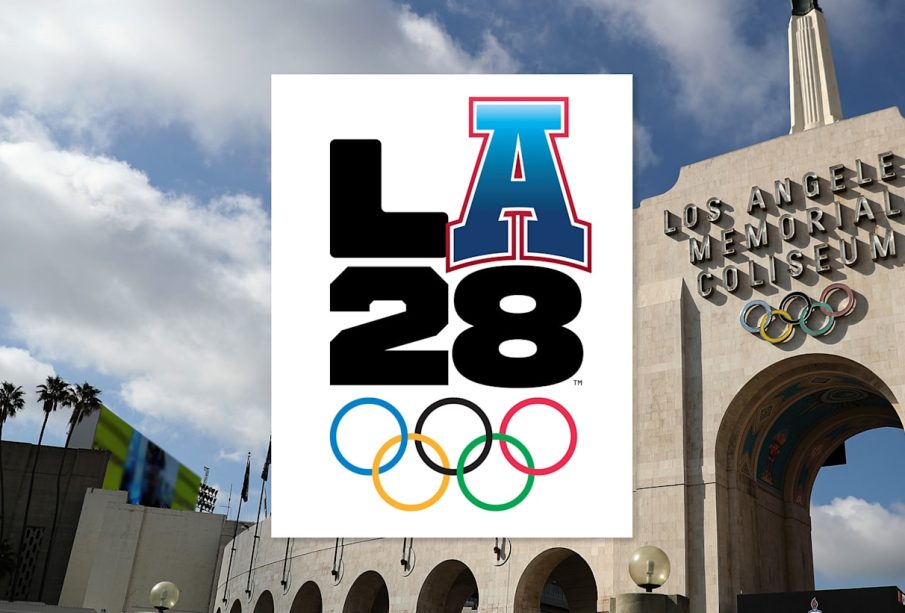
Introduction — Why Olympics 2028 matters
The Olympics 2028 are one of the world’s foremost sporting events and will draw international attention to the host city and participating nations. For athletes, organisers and local communities, the Games represent a once-in-a-generation opportunity to showcase elite competition, accelerate infrastructure projects and deliver long-term social and economic benefits. For readers, understanding the planning and likely impacts helps gauge what to expect in the run-up to the event and beyond.
Main developments and planning focus
Los Angeles is the confirmed host for Olympics 2028. Organisers have emphasised a strategy centred on existing and temporary venues to limit new construction, reduce costs and shorten delivery timelines. The approach aims to leverage established arenas, stadia and neighbourhood facilities while adding temporary sites where required for specific sports.
Key themes in planning include sustainability, legacy and community engagement. Organisers are pursuing measures to reduce the environmental footprint of the Games, including energy-efficient operations and transport initiatives. Legacy planning is geared towards ensuring venues and improvements deliver lasting benefits for residents, sport development and local economies after the closing ceremony.
Preparations will also focus on operational areas familiar to any major event: transport upgrades, accommodation capacity, security planning and coordination with international sporting federations. Partnerships with broadcasters, sponsors and volunteer programmes are being developed to ensure wide access to the Games and strong public involvement.
At the same time, organisers face familiar challenges. Stakeholders and civic groups are watching costs, housing pressures and potential disruption in neighbourhoods where temporary facilities or transport works are planned. Transparency in spending, clear legacy commitments and meaningful community consultation are widely viewed as critical to public support.
Conclusion — What to watch and why it matters
As the countdown to Olympics 2028 continues, milestones to follow include venue readiness, transport and accommodation plans, ticketing announcements and qualification events for athletes. If delivered as intended, the Games could boost tourism, improve local facilities and inspire a new generation of athletes. However, the ultimate legacy will depend on effective delivery, careful management of costs and inclusive benefits for the city’s communities. For residents and sports fans alike, staying informed and engaged will be important as plans progress towards the Games.





