Cryptocurrency Trading: Risks, Regulation and Outlook for UK Investors
Introduction: Why cryptocurrency trading matters
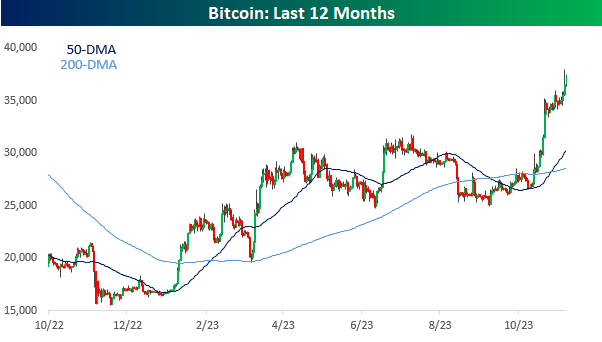
Cryptocurrency trading remains a prominent topic for investors, regulators and financial services firms in the UK. The market’s high volatility and growing institutional interest mean that retail and professional traders are increasingly exposed to potential gains and losses. At the same time, regulators and tax authorities are expanding oversight, making it important for readers to understand the risks, rules and practical steps involved in trading digital assets.
Main body: Market dynamics, regulation and practical facts
Market behaviour and trading environments
Cryptocurrency markets are characterised by rapid price movements, liquidity differences between assets, and a mix of centralised exchanges (CEXs) and decentralised platforms (DEXs). Traders use spot markets, derivatives and centralised custodial services; each option carries specific operational and counterparty risks. Price swings can be influenced by macroeconomic news, technology upgrades, large holders’ activity and sentiment on social platforms.
Regulation and legal framework in the UK
In the United Kingdom, aspects of crypto activity fall under the Financial Conduct Authority’s (FCA) remit. Firms providing certain crypto services must register with the FCA and comply with anti‑money laundering rules. HM Revenue & Customs (HMRC) treats cryptocurrencies as property for tax purposes: gains realised by individuals are generally subject to capital gains tax, while trading as a business can attract income tax and national insurance. Regulatory scrutiny has increased globally, affecting product availability and marketing practices aimed at retail customers.
Risk management and best practice
Experts advise traders to prioritise secure custody, use reputable exchanges, diversify positions and apply position sizing and stop-loss rules. Understanding private key management, two-factor authentication and the difference between custodial and non-custodial wallets reduces operational risk. Traders should also keep records for tax reporting and seek professional advice where necessary.
Conclusion: Outlook and significance for readers
Cryptocurrency trading offers both opportunities and substantial risks. Continued regulatory development and institutional adoption are likely to shape market structure and product availability in the coming years. For UK investors, the immediate priorities are informed due diligence, compliance with FCA guidance and HMRC tax rules, and disciplined risk management. Those prepared to navigate volatility and regulation can engage with the market more safely; others may prefer regulated investment vehicles or to wait for greater clarity.





