Wuthering Heights: Why Brontë’s Novel Still Resonates
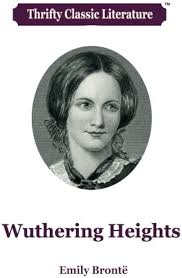
Introduction: The continuing importance of Wuthering Heights
Wuthering Heights, Emily Brontë’s only novel, is widely regarded as a central work of English literature. First published in 1847 under the pseudonym “Ellis Bell”, the book’s portrayal of passion, revenge and social conflict set on the Yorkshire moors has made it a subject of sustained critical and popular interest. Its themes remain relevant to readers and scholars who examine human relationships, class, and the Gothic tradition.
Main body
Publication and early reception
When Wuthering Heights appeared in 1847 it arrived alongside Anne Brontë’s Agnes Grey as part of a three-volume set. Contemporary reviews were mixed; some critics were unsettled by the novel’s intensity and moral ambiguity. Over the subsequent decades it was reassessed and has become a staple of literary study and public imagination.
Characters, setting and themes
The novel centres on the turbulent relationship between Heathcliff and Catherine Earnshaw and explores how obsession and bitterness affect two families across generations. The bleak, windswept moors provide more than a backdrop: they shape the mood and underline themes of nature, isolation and elemental passion. The dual narrative structure—framed by the accounts of Mr Lockwood and the housekeeper Nelly Dean—adds complexity to questions of reliability and perspective.
Adaptations and cultural legacy
Wuthering Heights has inspired a wide range of adaptations in film, television, theatre, radio and music. Its influence can be seen in works that draw on its Gothic atmosphere, its portrayal of unconstrained emotion, and its inquiry into social and moral boundaries. The novel is frequently taught in schools and universities and continues to be translated and reinterpreted internationally.
Conclusion: Significance for readers and future study
Wuthering Heights endures because it resists easy categorisation: it is at once a love story, a critique of social mores and a study of destructive passion. For contemporary readers, the novel offers insights into the persistence of emotional extremes and the ways environment and class shape lives. Its sustained presence in criticism and culture suggests it will remain a subject of study and adaptation, inviting each generation to reconsider its dark, compelling vision of human relationships.





