Sainsbury’s facial recognition error prompts privacy debate
Why the issue matters
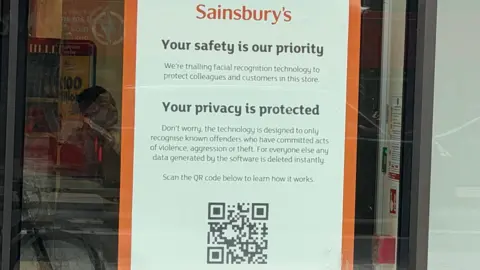
Reports of a Sainsbury’s facial recognition error have drawn attention to the growing use of biometric technology in UK retail. Facial recognition systems touch on privacy, data protection and customer trust: when they misidentify people, the consequences can include reputational damage, wrongful action against shoppers and regulatory scrutiny. Given ongoing public sensitivity about automated surveillance, any error at a major supermarket chain is newsworthy and relevant to shoppers, regulators and businesses considering similar systems.
Main developments and context
What has been reported
Recent coverage describes an error involving facial recognition technology linked to Sainsbury’s. Details vary in reports, but the incident has been sufficient to trigger public debate about how biometric systems are deployed in stores. While companies increasingly use technology to prevent theft and improve operations, mistakes can lead to false matches and upset customers.
Legal and regulatory background
Under UK data protection law, biometric data used for identification is treated as particularly sensitive. The Information Commissioner’s Office (ICO) has previously issued guidance on live facial recognition and warned that high-risk uses require careful assessment, lawful basis for processing, transparency and data protection safeguards. Where systems are used incorrectly or without proper safeguards, organisations risk inquiries from the ICO and potential enforcement action.
Operational implications for retailers
Retailers using facial recognition must balance loss-prevention aims with legal obligations and customer confidence. Practical issues include the accuracy of the technology, the quality of watchlists, staff training on how to respond to alerts and clear customer communication about data use. Errors can highlight weaknesses in any of these areas.
Conclusion: what this means for readers
The Sainsbury’s facial recognition error underscores broader tensions between technology deployment and civil liberties. For shoppers, the incident is a reminder to ask how and why biometric data is used in public spaces. For businesses, it reinforces the need for robust data protection assessments, transparent policies and safeguards to prevent misidentification. Regulators are likely to remain vigilant, and future incidents may prompt clearer guidance or tighter safeguards for biometric systems in UK retail.





