Global Nestle baby formula recall affects multiple brands
Introduction: Why the Nestle baby formula recall matters
The Nestle baby formula recall has drawn global attention as the food and drink giant withdraws specific infant and follow‑on formula batches over potential contamination. Infant nutrition products are relied upon by vulnerable populations, so any safety alert has immediate relevance for parents, caregivers and health authorities. Nestle says the recall is being carried out “out of an abundance of caution.”
Main body: What has been recalled and why
Nestle has announced a global recall affecting some batches of its SMA infant formula and follow‑on formula after tests indicated the possible presence of cereulide, a toxin that can trigger nausea and vomiting. The company said the affected batches were sold across multiple countries and stressed that there have been no confirmed reports of illness linked to the recalled products.
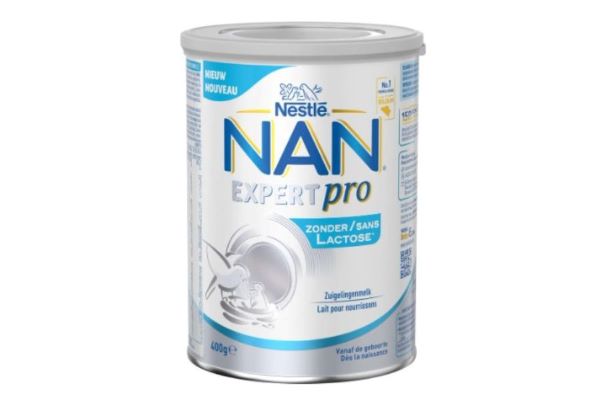
In France, Nestle France described the action as a “preventive and voluntary recall” of certain Guigoz and Nidal infant formula batches. In South Africa, the recall extended to a batch of NAN Special Pro; authorities and local media reported that the affected tins were manufactured on 15 June 2025 with a best‑before date of 15 December 2026. Newzroom Afrika noted that caregivers were advised to check their tins and return affected products for a refund.
Regulatory and consumer bodies have issued clear practical guidance. The UK Food Standards Agency’s head of incidents, Jane Rawling, told parents, guardians and caregivers not to feed infants or young children the affected products. Similarly, South Africa’s National Consumer Commission official Prudence Moilwa confirmed the recall and refund advice for the specific NAN batch.
Conclusion: Significance and next steps for readers
The Nestle baby formula recall underscores the importance of monitoring batch information and following official advice when infant food safety alerts arise. Nestle emphasises that other products and unaffected batches remain safe to consume. Parents and caregivers should check packaging details against official recall lists and follow return or refund instructions where applicable. Authorities and firms will likely continue testing and communications while the preventive recall is completed.
For those with affected tins, do not feed the product to infants and follow the return guidance provided by retailers or Nestle. The recall is a precautionary measure intended to protect infants and maintain public confidence in infant nutrition safety.





