Flood warning: Immediate actions and why short notice matters
Introduction: Why a flood warning matters
Flood warning messages are among the most urgent public safety alerts because they signal immediate danger to life and property. A flood warning can arrive with very little lead time and requires rapid decisions by residents and authorities. Understanding what a flood warning means, the practical steps advised by local agencies, and why these warnings can be so short is essential for anyone living in flood-prone areas.
Main body
Official advice from local agencies
Local emergency management guidance highlights clear, prioritised actions. The Boulder Office of Emergency Management (Boulder ODM) advises: if you receive a flash flood warning, move to higher ground immediately. If you cannot evacuate safely, go to the highest floor in your house. These directives underline the urgency and the need to seek vertical as well as horizontal safety when time and conditions limit movement.
Why warnings can be so short
Boulder County information points out that changes to the landscape can increase the risk of flash floods. These changes—natural or man-made—can alter how water flows and collects, shortening the time between heavy rainfall and hazardous flooding. The county also notes that floods can happen with as little as 45 minutes of warning, emphasising that some flood events evolve very rapidly and leave little time for response.
How national alerts classify and present risk
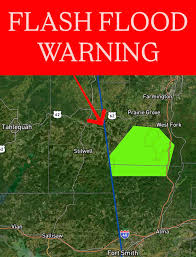
The National Weather Service categorises situations such as Severe/Flash Flood, Winter Weather, High Wind Potential and Fire Weather, and issues warnings, watches and advisories accordingly. Official platforms typically allow users to click on affected areas for more detailed information on each warning, watch or advisory, enabling targeted, location-specific guidance.
Conclusion: What this means for readers
A flood warning should always be taken seriously because it can arrive with limited notice and demand immediate action. Official guidance from emergency management and weather services focuses on rapid relocation to higher ground or higher floors when evacuation is not possible, and on monitoring local alerts for detailed, area-specific instructions. Given that landscape changes can reduce warning times to as little as 45 minutes, residents in at-risk areas should be aware of these signals and be prepared to follow official advice without delay.