Understanding the Government National Cancer Plan
Introduction: Why the government national cancer plan matters
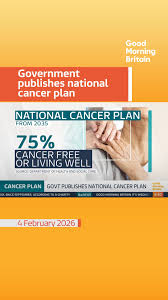
The government national cancer plan outlines a nationwide strategy to reduce cancer mortality and suffering. Its importance lies in coordinating public, private and community efforts to prevent, detect and treat cancer more effectively. By setting clear aims and inviting broad participation, the plan seeks to make progress visible, equitable and sustainable across the whole health system.
Main body: Structure, aims and mechanisms
Goals and strategic priorities
The plan sets forth eight goals that describe the progress needed to transform the experience and outcomes of a cancer diagnosis. These goals fall into two complementary sets. Four cross-cutting goals—Engage Every Person, Eliminate Cancer Health Disparities, Maximise Data Utility, and Optimise the Workforce—are presented as essential enablers. They drive and support four people-centric goals: Deliver Optimal Care, Detect Cancers Early, Develop Effective Treatments, and Prevent Cancer. Together, these eight aims create a comprehensive framework for action.
Framework for collaboration
Under the heading Everyone Has a Role, the plan stresses that meaningful collaboration across federal, state and local governments, the private sector, researchers and communities is vital. It frames the response to cancer as a societal effort, where policy, funding, clinical practice and community engagement work in concert to reduce incidence and improve survivorship.
Investment, data and workforce
The plan recognises that progress has depended on sustained investment by governments and private partners and on decades of research and advocacy. It emphasises maximising the utility of data and strengthening a diverse cancer-care and research workforce that reflects the communities it serves. These elements are positioned as critical to eliminating disparities in risk, access, treatment side effects and outcomes.
Monitoring progress
The President’s Cancer Panel is charged with monitoring progress toward the plan’s goals and has issued its first Report to the President on the National Cancer Plan, beginning a public accountability process intended to track implementation and outcomes.
Conclusion: Significance and outlook for readers
For patients, clinicians and policymakers, the plan offers a roadmap for measurable, equitable improvements in cancer care. Its emphasis on collaboration, data, workforce and disparity reduction suggests that future efforts will increasingly focus on system-level change and shared responsibility. Continued monitoring by the President’s Cancer Panel aims to keep momentum and inform where adjustments are needed to meet the plan’s ambitions.





