FA Trophy: History, Format and Recent Developments
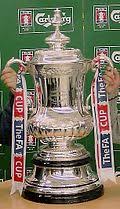
Introduction: Why the FA Trophy matters
The FA Trophy is a significant national knockout competition for non-league clubs in England, providing clubs at Steps 1–4 of the National League System with a chance to compete for national silverware. Its importance lies in offering visibility, competitive fixtures and a route to Wembley for semi-professional and ambitious clubs. Recent references to the Isuzu FA Trophy underline ongoing commercial partnerships and the tournament’s continuing relevance to the non-league pyramid.
Main body: History, structure and recent information
Historical background
The FA Trophy was introduced to serve clubs outside the professional English Football League structure. Historically, fully amateur clubs entered the separate FA Amateur Cup, while leading non-league clubs that paid players were ineligible for that competition. The inaugural winners of the FA Trophy were Macclesfield Town, who defeated Telford United in the first final. In 1978 the Football Association moved the Trophy final to the Saturday immediately following the FA Cup Final to give it a longer build-up and to avoid clashes with league programmes, a change intended to boost the competition’s prestige.
Impact of league reorganisation
After the formation of the Alliance Premier League in 1979 (later the Football Conference and now the National League), teams from that top non-league division came to dominate the FA Trophy through the 1980s. The competition has also produced memorable underdog stories: in 1980–81 Bishop’s Stortford, then in the Isthmian League First Division, entered at the preliminary round and won twelve matches to reach and win the final against Sutton United.
Current format and coverage
Today the competition—currently referred to in coverage as the Isuzu FA Trophy—remains the premier knockout cup for Step 1–4 clubs in the National League System. Official fixtures, results, round dates, rules and details of the prize fund are published for each season. Coverage includes live scores, league tables, form guides and attendance figures, while regular updates outline draws such as quarter-final pairings and the schedule of ties for each campaign.
Conclusion: Significance and outlook
The FA Trophy continues to be a focal point for non-league clubs seeking national recognition, competitive matches and financial reward through prize funding and matchday revenues. With organised fixtures, media coverage and sponsor partnerships like Isuzu, the competition remains a vital part of the English football calendar for Steps 1–4. Supporters and clubs can expect continued attention to round dates, draws and results as each season unfolds.





