Full Moon Snow Moon: February 2026 Full Moon
Introduction: Why the full moon snow moon matters
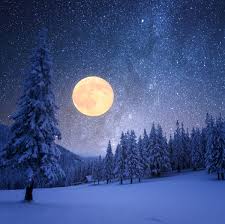
The term “full moon snow moon” refers to the full moon that occurs in February and carries cultural and seasonal significance in the Northern Hemisphere. Named for the heavy snowfalls that typically characterise February, this moon has long been a marker of mid‑winter. Understanding its timing and traditional names helps readers connect astronomical events with cultural history and seasonal rhythms.
Main body: Date, visibility and cultural background
Date and timing
In 2026, the Snow Moon peaks on Sunday 1 February. It follows the “wolf moon” that occurred on 3 January, making the Snow Moon the second full moon of the year. Observers are advised to look for the full moon at moonrise on that date, when the lunar disc will be most noticeable near the horizon.
Visibility
Reports note that the Snow Moon will be visible at moonrise on 1 February 2026. Visibility at moonrise often offers striking views as atmospheric effects can enhance the Moon’s apparent size and colour, making it a memorable sight for casual watchers and amateur photographers alike.
Cultural names and significance
The Snow Moon takes its name from the abundant snowfall that typically falls across much of the Northern Hemisphere in February. Among North American Indigenous communities, alternate names have been used; some tribes referred to this full moon as the “Hungry Moon,” reflecting seasonal hardships and the scarcity of food during deep winter months. These traditional names highlight how lunar cycles were used as seasonal calendars and cultural reference points.
Conclusion: What this means for readers
The 2026 full moon snow moon on 1 February offers a chance to observe a long‑standing seasonal marker and reflect on its cultural meanings. As a visible and recurring astronomical event, the Snow Moon links natural cycles with human tradition. For those in the Northern Hemisphere, it is a reminder of mid‑winter conditions and, for skywatchers, an opportunity for a clear and accessible celestial display at moonrise.





