Understanding CAF sanctions and their impact on African football
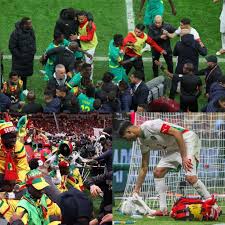
Introduction: why CAF sanctions matter
CAF sanctions are a key regulatory tool used to uphold rules, fairness and integrity in African football. Their relevance stretches from club competitions to international fixtures, affecting players, coaches, federations and supporters. Understanding CAF sanctions helps stakeholders anticipate consequences, prepare compliance measures and assess the likely effects on competitions and reputations.
What are CAF sanctions?
CAF sanctions are disciplinary measures applied by the Confederation of African Football (CAF) or similar governing bodies to address breaches of regulations. They can include fines, suspensions, bans, match forfeits, stadium closures, point deductions and exclusion from competitions. Sanctions are typically issued after investigations or disciplinary hearings and aim to deter misconduct and preserve the integrity of competitions.
Common reasons for sanctions
Sanctions may arise from a range of issues, such as violations of competition rules, misconduct by players or officials, crowd disturbances, match manipulation, doping violations, failure to honour financial obligations and governance failings. The severity of the sanction usually reflects the nature and recurrence of the offence, as well as any mitigating or aggravating circumstances.
Implications for teams, federations and fans
CAF sanctions can have immediate sporting consequences, including loss of points, disqualification from tournaments or enforced home-ground relocations. Financial penalties and reputational damage can affect sponsorship, player recruitment and long-term development. For fans, sanctions such as stadium bans or spectator restrictions alter matchday experience and local economies. National federations may face additional scrutiny and must often take corrective measures to restore compliance.
Compliance and prevention
Clubs and federations can reduce risk by strengthening governance, maintaining transparent financial practices, enforcing codes of conduct, investing in crowd safety and educating participants on anti-doping and anti-corruption standards. Prompt cooperation with disciplinary processes and clear remedial actions can influence the outcome and severity of sanctions.
Conclusion: significance and outlook
CAF sanctions serve as an enforcement mechanism to protect the sport’s integrity and competitive balance. For stakeholders, the focus should be on compliance, risk mitigation and transparent governance to limit exposure to sanctions. Observers can expect continued emphasis on disciplinary enforcement as football authorities aim to raise standards across competitions and member associations.





