Terry Pratchett’s Legacy: Discworld, Diagnosis and Lasting Influence
Introduction
Terry Pratchett remains one of the United Kingdom’s most influential writers of popular fantasy. Best known for his Discworld series, Pratchett combined sharp satire with inventive world‑building to reach a broad readership. His career, public discussion of a dementia diagnosis and subsequent advocacy have kept his work relevant for readers, scholars and cultural commentators.
Main body
Career and works
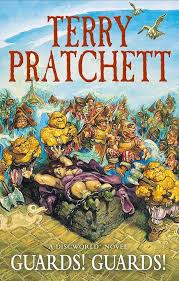
Born on 28 April 1948, Terry Pratchett published his first Discworld novel, The Colour of Magic, in 1983. Over the following decades he built a vast body of work that blended comedy, social commentary and fantasy. He wrote more than 70 novels, with the Discworld sequence at the heart of his output; his books have sold more than 85 million copies worldwide. Pratchett received formal recognition for his contributions to literature, being appointed OBE in 1998 and knighted in 2009.
Health, public engagement and advocacy
In 2007 Pratchett announced a diagnosis of posterior cortical atrophy, a form of early‑onset Alzheimer’s disease. He spoke openly about his condition, supporting increased funding for dementia research and urging public conversation about end‑of‑life choices. His willingness to discuss illness in the public sphere brought attention to dementia and helped reduce stigma, while also highlighting the intersection of art, health and policy.
Continuing cultural impact
Since his death on 12 March 2015, Pratchett’s work has continued to attract new readers and adaptations across stage, radio and screen. Discworld remains a frequent subject of academic study for its treatment of politics, religion, identity and narrative form. Fan communities and conventions keep the series alive, and publishers continue to reissue titles, ensuring steady sales and renewed interest among younger readers.
Conclusion
Terry Pratchett’s combination of humour, imagination and pointed social insight has secured him a lasting place in modern British literature. His public discussion of dementia broadened the conversation around the condition and inspired support for research. For readers, his legacy is both entertaining and thought‑provoking: Discworld endures as a body of work that will continue to be read, adapted and debated for years to come.





