The Last Duel: history, film and contemporary debate
Introduction: Why The Last Duel matters
The Last Duel has become a focal point for discussions about how history is adapted for modern audiences. The 2021 film, directed by Ridley Scott and based on Eric Jager’s 2004 book, revisits a 14th-century French trial by combat to examine themes of justice, truth and the treatment of women—subjects that retain clear relevance today. The story’s mix of medieval procedure and contemporary questions about consent and testimony explains why the film continues to prompt debate.
Main body: Film, history and reception
Film and source material
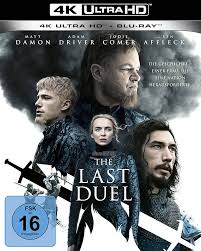
The Last Duel tells the story of Jean de Carrouges and Jacques Le Gris and the accusation brought by Marguerite de Carrouges. Screenplay credits include Matt Damon, Ben Affleck and Nicole Holofcener, while the cast features Matt Damon, Adam Driver, Jodie Comer and Ben Affleck. The film adapts Eric Jager’s historical account, which reconstructs the legal and social context of a 1386 duel ordered to resolve a charge that could not otherwise be settled by the law of the time.
Structure and themes
The film is notable for presenting events from multiple perspectives, inviting viewers to compare conflicting accounts and to reflect on how narrative and power shape historical memory. Critics highlighted the performances—particularly Jodie Comer’s portrayal—and Ridley Scott’s production values, while audiences and commentators engaged with the film’s treatment of gender, agency and institutional authority.
Reception and ongoing interest
Released in 2021, The Last Duel sparked conversation beyond cinema pages: historians, film scholars and social commentators used it as a prompt to discuss medieval justice, the limits of documentary evidence and contemporary resonances such as debates around consent and credibility. Its presence on streaming and home platforms has helped sustain interest among viewers who missed its initial theatrical run.
Conclusion: Significance and outlook
The Last Duel serves both as a historical drama and a lens for present-day inquiry. While rooted in a specific 14th-century case, its core questions—about how societies adjudicate truth, and whose voices are heard—remain timely. Expect continued discussion in film circles and academic settings, where the film will likely be referenced as an example of how historical narratives can inform modern debates about justice and representation.





