Breast cancer: what you need to know
Introduction: why breast cancer matters
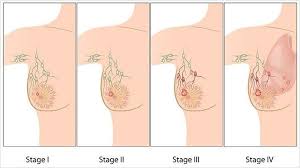
Breast cancer is one of the most common cancers worldwide and a major public-health concern. Its importance lies in the number of people affected, the variety of presentations and the impact on patients, families and health services. Early detection and timely treatment can substantially improve outcomes, making public awareness and reliable information especially relevant for readers.
Main developments and facts
What breast cancer is
Breast cancer arises when cells in breast tissue grow in an uncontrolled way. Tumours can be non-invasive (in situ) or invasive, and disease behaviour varies by biological subtype. Known genetic factors, such as alterations in BRCA1 and BRCA2 genes, can increase risk, alongside age, reproductive history and other lifestyle and environmental factors.
Detection and diagnosis
Screening and prompt investigation of symptoms are central to improving outcomes. Many countries run organised screening programmes using mammography for defined age groups. Symptoms that should prompt assessment include a new lump, changes in breast shape or skin, or nipple changes. Diagnostic work typically combines clinical examination, imaging and tissue sampling (biopsy) to confirm the diagnosis and guide treatment decisions.
Treatment approaches
Treatment is increasingly tailored to tumour type and patient circumstances. Standard modalities include surgery (breast-conserving surgery or mastectomy), radiotherapy and systemic therapies such as endocrine (hormone) therapy, chemotherapy and targeted agents for specific molecular subtypes. Advances in targeted treatments and personalised medicine have expanded options for many patients, and ongoing clinical trials explore improved strategies including immunotherapy in selected settings.
Prevention, support and public policy
Efforts to reduce breast cancer burden focus on prevention where possible, high-quality screening, timely access to treatment and survivorship support. Patient support services, rehabilitation and psychosocial care are important components of comprehensive cancer care.
Conclusion: implications for readers
Breast cancer remains a significant health issue, but earlier diagnosis and more personalised treatments have improved outcomes for many people. Readers should be aware of common symptoms, participate in recommended screening where available and discuss individual risk with a healthcare professional. Continued research and health-system investment aim to further improve survival and quality of life for those affected.





