Strictly Come Dancing: Why the Show Still Matters
Introduction
Strictly Come Dancing is a long-running BBC One television programme that pairs celebrities with professional dancers in a competitive ballroom and Latin dance format. The show’s importance lies in its broad cultural reach: it draws large television audiences, stimulates interest in social and competitive dancing and provides a platform for performers and public engagement. Its mix of live performance, expert critique and public voting has made it a fixture of British entertainment.
Main body
Format and public engagement
The structure of the programme is straightforward and central to its popularity. Celebrity contestants are partnered with professional dancers and rehearse weekly to present choreographed routines across a range of styles, from waltz and foxtrot to salsa and tango. A panel of judges scores performances and offers technical and artistic feedback, while viewers cast public votes to help determine who progresses. The combination of professional appraisal and audience participation encourages debate and sustained interest throughout each series.
Cultural and industry impact
Strictly Come Dancing has had a noticeable effect on the wider cultural landscape. It has introduced ballroom and Latin dance to mainstream audiences, contributed to increased enrolment in local dance classes and inspired amateur dance communities. The show also serves as a career springboard for professional dancers and provides celebrities with an opportunity to broaden their public profiles.
Production and spectacle
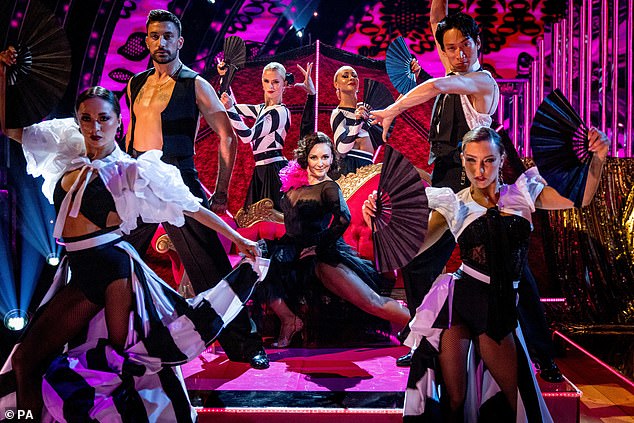
Live broadcasts, elaborate staging, costume design and varied musical choices add to the programme’s spectacle. The requirements of a weekly live show create a high-pressure environment for contestants and professionals alike, which frequently becomes a focus of media coverage and public conversation. Special episodes and live tours extend the programme’s reach beyond television.
Conclusion
Strictly Come Dancing remains significant as both a form of entertainment and a catalyst for public interest in dance. Its formula—professional mentorship, judged performance and audience participation—continues to engage viewers and shape cultural trends. Looking ahead, the programme is likely to retain its place in the broadcast schedule, continuing to influence participation in dance and to offer a high-profile stage for performers and celebrities.