Edinburgh weather: a guide to typical conditions and impacts
Introduction
Edinburgh weather is a topic of everyday relevance for residents, commuters and the many visitors who come to the Scottish capital. The city’s climate is changeable and can affect travel, outdoor events and tourism. Understanding typical patterns and knowing how to prepare helps people make informed decisions about plans and safety.
Why it matters
Weather influences transport reliability at Edinburgh Airport and on rail and road routes into and out of the city, as well as the success of outdoor festivals and markets. For businesses and emergency services, advance awareness of likely conditions supports operational planning.
Main body
Typical patterns and seasonal notes
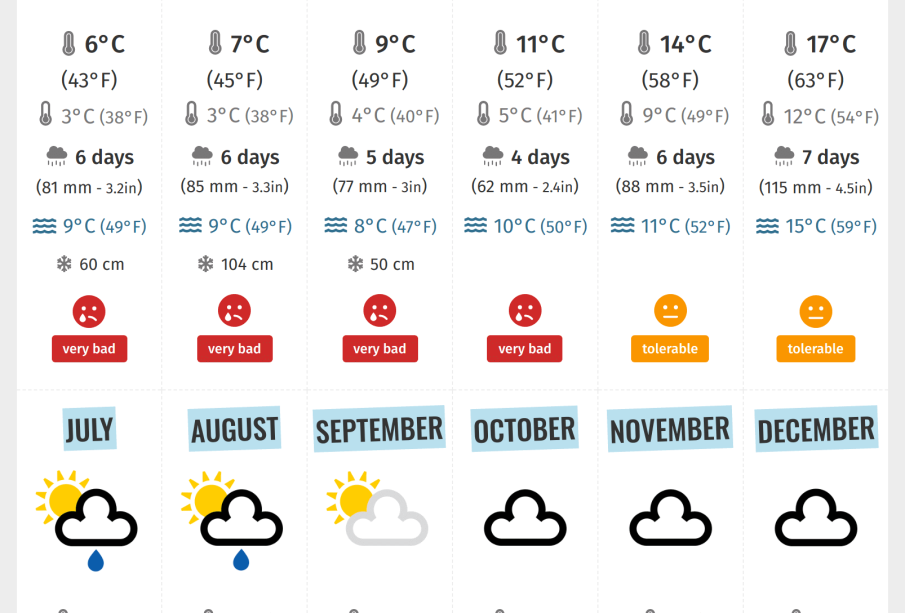
Edinburgh has a temperate maritime climate. Winters are generally cool with rare prolonged severe cold, while summers are mild rather than hot. The city experiences frequent changes in conditions due to maritime airflow and pressure systems moving across the North Atlantic. Rain is distributed through the year, and wind and low cloud are common, particularly around the coastal and exposed areas such as Arthur’s Seat and the Firth of Forth.
Impact on life and events
Changeable skies affect daily life and the calendar of events. Outdoor attractions, open-air performances and city walking tours are often scheduled with contingency plans. Transport operators typically plan for wet and windy conditions, and local authorities manage salting and gritting in colder months to keep key routes moving. For major festivals in summer, contingency and shelter options are a routine part of event management due to the possibility of sudden showers or windy spells.
Practical information for readers
Residents and visitors are advised to carry a waterproof layer and dress in layers to adapt to quick shifts in temperature. Footwear with good grip is recommended for the city’s cobbled streets and hills. For the latest short-term forecasts and any weather warnings, consult official sources such as the Met Office before travelling or attending outdoor events.
Conclusion
While Edinburgh’s weather is rarely extreme, its variability can have outsized effects on travel and outdoor activities. Being prepared — checking forecasts, allowing time for journeys and planning alternative arrangements for outdoor events — helps minimise disruption. Looking ahead, staying informed from authoritative meteorological services remains the best way to respond to changing conditions in the city.





