Up Helly Aa: Inside Shetland’s Viking Fire Festival
Introduction: Why Up Helly Aa Matters
Up Helly Aa is a striking annual fire festival in Shetland that celebrates local identity, Norse heritage and community spirit. The event draws attention across the UK and beyond because of its dramatic torchlit procession, elaborate costumes and the ceremonial burning of a replica Viking galley. For communities in Shetland, the festival is both a cultural highlight and an important occasion for social cohesion and tourism.
Main body: Traditions, events and community
Origins and tradition
Rooted in Shetland’s maritime and Norse past, Up Helly Aa has developed into a ritual that blends historical references with modern pageantry. The festival typically culminates in January with a full day of events, the most famous being the Lerwick Up Helly Aa, which attracts large crowds. Many Shetland communities stage their own versions of Up Helly Aa throughout the winter.
The procession and the galley burning
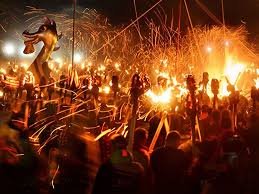
The central spectacle is a torchlit procession of guizers—participants in Viking-style costume—who march through streets carrying torches and banners. The procession is led by the Guizer Jarl, a role that carries considerable local honour and months of preparation. At the close of the procession a replica Viking longship, or galley, is set alight in a public display. The controlled burning is symbolic, theatrical and carefully managed for public safety.
Community role and visitor experience
Preparation for Up Helly Aa is a year-round effort involving costume-making, rehearsals and community fundraising. For residents it reinforces local traditions and provides a focus for volunteer activity. For visitors, the festival offers a vivid experience of Shetland culture: torchlight processions, singing, music and convivial gatherings in halls and pubs afterwards. The event also supports local businesses by drawing domestic and international visitors.
Conclusion: Significance and outlook
Up Helly Aa remains a powerful expression of Shetland identity and a memorable attraction for visitors. As communities balance tradition with modern concerns such as safety and sustainability, the festival is likely to continue evolving while retaining its core elements: guizers, the Guizer Jarl and the ceremonial burning of the galley. For readers, Up Helly Aa offers an example of how local tradition can foster communal bonds and promote cultural tourism.





