Understanding the Holocaust: History, Victims and Remembrance
Introduction: Why the Holocaust Matters
The Holocaust is one of the twentieth century’s defining atrocities. Understanding its causes, methods and consequences is essential for recognising the dangers of racism, state-sponsored persecution and unchecked authoritarianism. For survivors, descendants and societies worldwide, remembrance and education help prevent denial, combat antisemitism and honour the memory of those who suffered.
Main body: Events, Facts and Mechanisms
Persecution and the Final Solution
The persecution of Jewish people and other groups under Nazi rule began with discriminatory laws and violence in the 1930s and escalated into organised mass murder during the Second World War. The Nazi leadership implemented the “Final Solution”, a policy to annihilate the Jewish population in German-controlled Europe, culminating in industrialised killing between about 1941 and 1945.
Camps, Killings and Methods
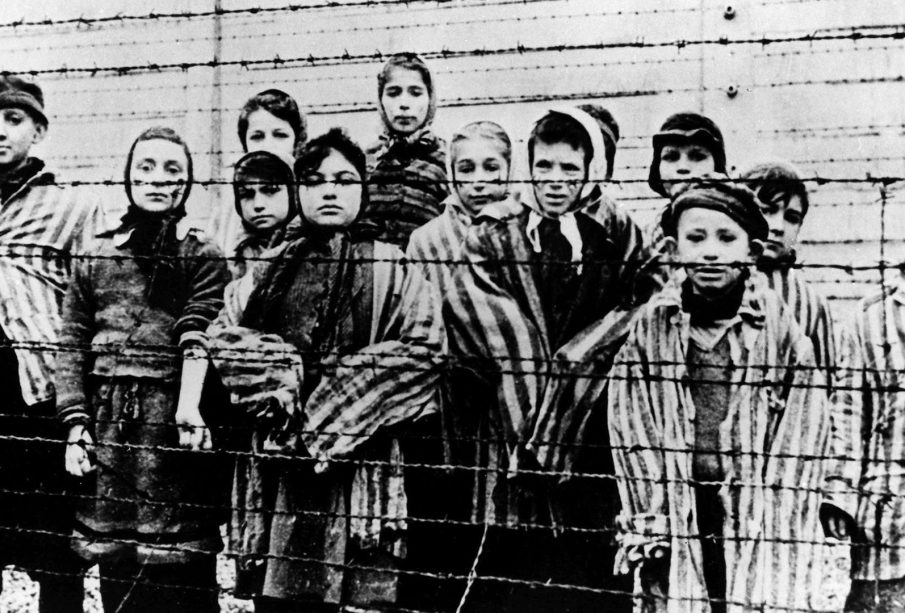
The genocide was carried out through ghettos, mass shootings, forced labour, starvation and extermination camps. Camps such as Auschwitz‑Birkenau, Treblinka, Sobibór, Belzec, Majdanek and Chelmno became sites of systematic murder. The machinery of death included gas chambers, mass graves and transport systems designed to deport millions to their deaths.
Victims and Scale
An estimated six million Jewish people were murdered in the Holocaust. Millions more from other groups were also targeted because of Nazi ideology: Roma (Gypsies), people with disabilities, Polish and other Slavic civilians, Soviet prisoners of war, Jehovah’s Witnesses, LGBTQ+ people and political dissidents. Families, communities and cultures across Europe were devastated.
Aftermath and Accountability
In the aftermath of the war, the Nuremberg Trials and other proceedings sought to hold perpetrators to account and to document crimes. Survivors’ testimonies, documentation and liberated camp evidence have formed the basis of historical record and legal reckoning.
Conclusion: Lessons and Continuing Relevance
The Holocaust remains a warning about the consequences of hatred and dehumanisation. International Holocaust Remembrance Day (27 January) and educational programmes aim to preserve memory and teach future generations. Continued study, commemoration and vigilance against bigotry are vital to prevent similar crimes in the future.





