AccuWeather’s Role in Modern Weather Forecasting
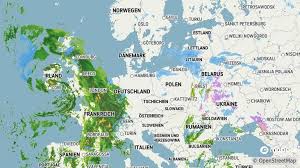
Introduction: Why AccuWeather matters
Weather affects daily life, public safety and many sectors of the economy. AccuWeather is one of the best-known private providers of meteorological information, offering forecasts, warnings and data services around the world. Its forecasts are used by broadcasters, businesses and millions of individuals, making its role in delivering timely and actionable weather information highly relevant.
Main body: Services, methods and reach
Origins and structure
Founded in the 1960s and headquartered in State College, Pennsylvania, AccuWeather operates as a commercial weather organisation that combines meteorological expertise with proprietary modelling and observational data. It supplies content to television and radio stations, digital platforms and corporate clients, and maintains consumer-facing apps and websites.
Forecasting tools and products
AccuWeather provides a broad range of products, including short-term and long-range forecasts, severe-weather alerts and specialised services for sectors such as aviation, energy and retail. Popular consumer features include minute-by-minute precipitation forecasts for precise planning and mobile apps that deliver localised outlooks and alerts. For businesses, AccuWeather offers data feeds and decision-support tools designed to reduce weather-related risks and costs.
Data sources and collaboration
To produce forecasts, AccuWeather integrates observations from surface stations, satellites and radar with its own models and meteorological analysis. It also partners with media outlets and private organisations to distribute forecasts and warnings. As with many private providers, its commercial model centres on licensing data and tailored services to users who require guaranteed levels of accuracy and support.
Debate and context
There has been public discussion around the balance between free public meteorological data and commercial services. AccuWeather operates within that broader context, where public agencies and private firms both play roles in forecasting and information delivery.
Conclusion: What readers should take away
AccuWeather remains a prominent source of weather information for the public and commercial customers. For readers, its forecasts can help with everyday planning and risk management, but it is prudent to consult official national meteorological services during severe events. Looking ahead, continued advances in modelling, data integration and digital delivery are likely to increase the precision and timeliness of forecasts, further embedding services such as AccuWeather into personal and business decision-making.





