Olivia Wilde: Career Highlights, Films and Public Profile
Introduction
Olivia Wilde is a prominent figure in contemporary film and television, recognised both for her acting roles and her work as a director. Her career is relevant to discussions about women’s visibility behind the camera, the crossover between acting and directing, and how public scrutiny affects filmmakers today. This article outlines key aspects of Wilde’s professional life and offers context for her continuing influence in the industry.
Main body
Early career and acting
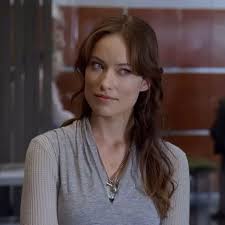
Born in New York City in 1984, Olivia Wilde first attracted wide attention through television roles before moving into feature films. She is well known for her portrayal of Dr Remy “Thirteen” Hadley on the medical drama House, which brought her mainstream recognition. Over the years she has appeared in a range of film and television projects spanning drama, comedy and genre work, establishing herself as a versatile actor.
Transition to directing and notable films
Wilde made a high-profile transition to directing with the critically acclaimed coming-of-age comedy Booksmart (2019). The film was praised for its fresh tone and ensemble performances and marked Wilde as a director to watch. She followed this with the 2022 psychological thriller Don’t Worry Darling, which drew significant media attention and prompted mixed critical responses while performing strongly at the box office. These directing projects have underlined her interest in storytelling from behind the camera and have contributed to conversations about opportunities for women directors in mainstream cinema.
Public profile and advocacy
Alongside her creative work, Wilde has maintained a visible public profile. Her professional choices and public statements have drawn attention from both industry observers and broader audiences. She has used her platform to speak on topics such as representation in film and issues affecting women’s health and rights, reflecting a pattern among contemporary artists who combine creative work with advocacy.
Conclusion
Olivia Wilde’s career highlights the increasingly fluid roles actors can take on in modern entertainment — moving between performing, directing and public engagement. Looking ahead, she is likely to remain influential as she pursues further directing projects and selects acting roles, contributing to ongoing debates about diversity behind the camera and the commercial prospects for director-driven films. For readers, Wilde’s trajectory offers a lens on how creative ambition and public visibility intersect in today’s film industry.





