The FA Cup Trophy: A Short History and Modern Renewal
Introduction — Why the FA Cup trophy matters
The FA Cup trophy is one of English football’s enduring symbols, representing over a century of competition and tradition. Its story matters not only to fans and clubs but also to the custodianship that comes with winning silverware. The history of the fa cup trophy illustrates how design, theft and practical concerns have shaped what is presented on match day.
Main body — Design, incidents and modern changes
Early trophies and notable incidents
There have been five actual FA Cup trophies and effectively two main designs. The saga includes episodes that might surprise modern supporters: when Aston Villa were reigning champions and the cup was stolen, the club was fined £25 by the FA to pay for a replacement. That episode contributed to changes in how the trophy was managed and displayed.
The 1911 Fattorini design
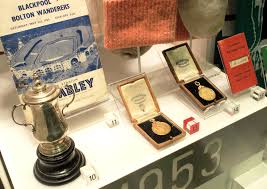
Following earlier versions, a chunkier, more substantial-looking cup was produced by Bradford jeweller Fattorini in time for the 1911 Cup Final. That design is the one most familiar to supporters and endured as the principal cup design for many decades. The second trophy, taken out of circulation in 1910, was later presented to FA President Lord Kinnaird, marking the end of an early chapter in the trophy’s evolution.
Modern replacement and sturdiness measures
The fifth incarnation of the trophy was designed in 2014 by silverware company Thomas Lyte, which also crafted the Women’s FA Cup trophy. When that design was introduced, measures were put in place to ensure a sturdier future for the physical cup, reflecting lessons learned from earlier losses and the demands of modern presentation and travel.
Contemporary visibility
The Emirates FA Cup Trophy remains central to the final: photographic records show the official trophy on display during high-profile matches such as the 14 May 2022 final at Wembley between Chelsea and Liverpool. Winners continue to receive the cup as the symbol of FA Cup success.
Conclusion — Significance and outlook
The FA Cup trophy’s evolution — from multiple early versions and notable mishaps to the robust 2014 redesign — highlights the balance between heritage and practicality. Continued stewardship and design improvements mean the trophy should remain a secure and recognisable emblem of English football for years to come, preserving its place in club histories and fan memories.





