Understanding the Insurrection Act and Its Use
Introduction: Why the Insurrection Act matters
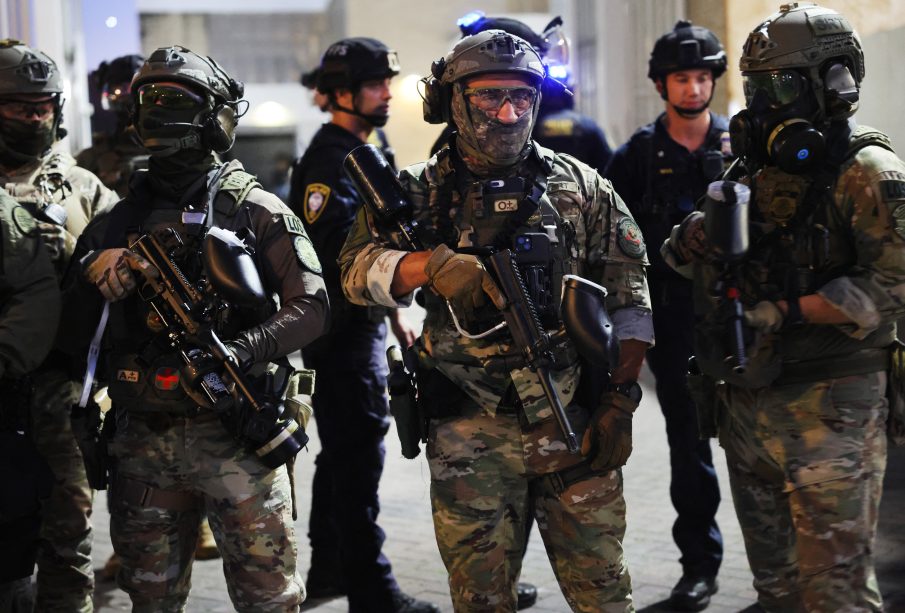
The Insurrection Act is a cornerstone of the United States’ domestic use-of-force framework. It matters because it authorises, in defined circumstances, the deployment of federal military forces within the United States — a significant exception to the general rule that separates military and civilian law enforcement. Debates about the Insurrection Act regularly surface during episodes of civil unrest, questions about federal versus state authority, and when presidents seek to use armed forces on American soil.
Main details and legal background
What the Insurrection Act permits
According to available reports, the Insurrection Act authorises the president to deploy military forces inside the United States to suppress rebellion, address domestic violence or enforce the law in certain situations. When invoked, it temporarily suspends the constraints of the Posse Comitatus Act, which otherwise bars federal military forces from taking part in civilian law enforcement.
Historical origins and statutory citations
Different sources cite related early statutes and dates. One account traces enactment back to 1792, while historical records note that President Thomas Jefferson signed the statute known as the Insurrection Act on 3 March 1807; the original 1807 language authorised use of land or naval forces where lawful to call forth the militia. Modern citations place the Act in the United States Code (commonly referenced at 10 U.S.C. §§251–255).
Recent context
Public commentary and legal analysis have highlighted instances in which presidents have considered or sought the statute’s application. One legal centre reported that President Trump said he would invoke the Insurrection Act to deploy active‑duty troops in American cities if courts prevented his efforts to federalise and deploy National Guard forces under another law. Such statements underline how the Act can become a focal point in disputes over federal authority, judicial review and the proper role of the military in domestic matters.
Conclusion: Implications and what to watch
The Insurrection Act remains a narrow but powerful tool that shifts the balance between civilian law enforcement and military involvement. Its invocation carries legal, political and constitutional consequences and typically prompts careful scrutiny by courts, legislatures and the public. Readers should watch for clarifications from lawmakers and courts if the Act is proposed for use, and for any legislative or policy changes that might refine when and how it can be applied.





