Chinese New Year 2026: Dates, Customs and What to Expect
Introduction — Why Chinese New Year 2026 matters
Chinese New Year 2026, the Year of the Horse, is one of the most widely observed traditional festivals in the lunar calendar. Its timing and rituals shape family gatherings, public holidays and cultural events across communities that follow the lunar calendar. For travellers, businesses and families planning ahead, knowing the key dates and customary practices helps with preparations for travel, reunions and celebrations.
Main details and customary observances
Key dates
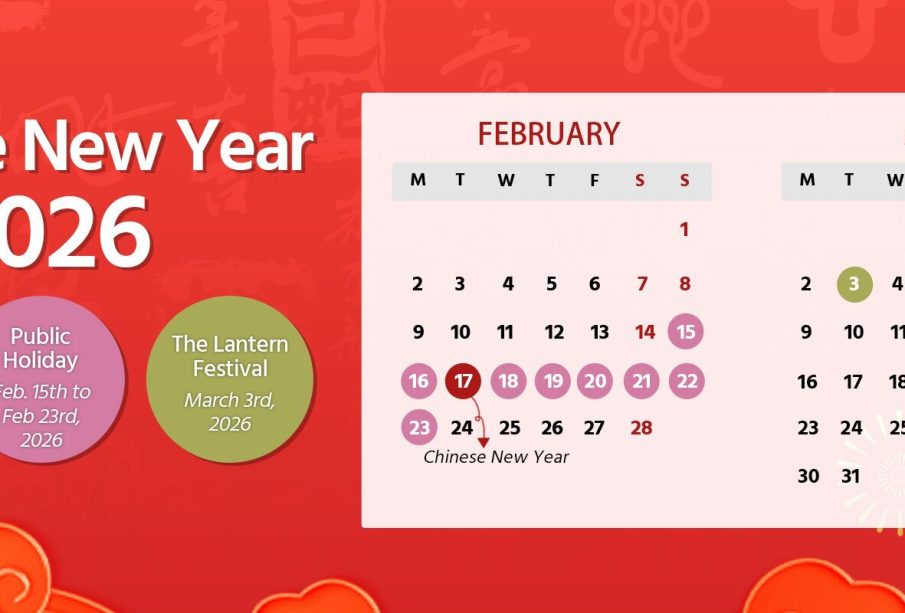
In 2026, Chinese New Year’s Eve falls on 16 February and New Year’s Day on 17 February. The festival period runs through the Lantern Festival on 3 March. The date of Chinese New Year varies year to year but always falls between 21 January and 20 February on the Gregorian calendar. Information provided notes a public holiday period for Lunar New Year of eight days, extending from Chinese New Year’s Eve through the seventh day of the lunar new year.
Traditional practices
Chinese New Year’s Eve (除夕 Chúxì) is regarded as the most important moment of the festival. Families traditionally gather for a reunion dinner and often remain awake until midnight. Staying up on Chúxì and offering auspicious greetings to family and friends after the clock strikes 12 is traditionally believed to bring good luck for the year ahead. New Year’s Day (初一 Chūyī) is commonly reserved for visiting relatives, exchanging gifts and paying respects at ancestors’ graves.
Visuals and motifs
Imagery for Chinese New Year 2026 often features horse motifs to mark the zodiac year. Stock imagery available for the 2026 celebrations includes depictions of a gold horse paired with traditional Chinese decorative elements, reinforcing the visual identity of the Year of the Horse.
Conclusion — What readers should know
Chinese New Year 2026 centres on family reunion, traditional rituals and community festivities beginning on 16–17 February and extending to the Lantern Festival on 3 March. Those planning travel, public events or family gatherings should note the highlighted dates and the common eight-day holiday period. Observing customary practices such as the reunion dinner and New Year greetings remains a central part of the celebration and its cultural significance.





