Prototaxites fossil Scotland: 410‑million‑year‑old specimen joins museum
Introduction: Why the Prototaxites fossil Scotland matters
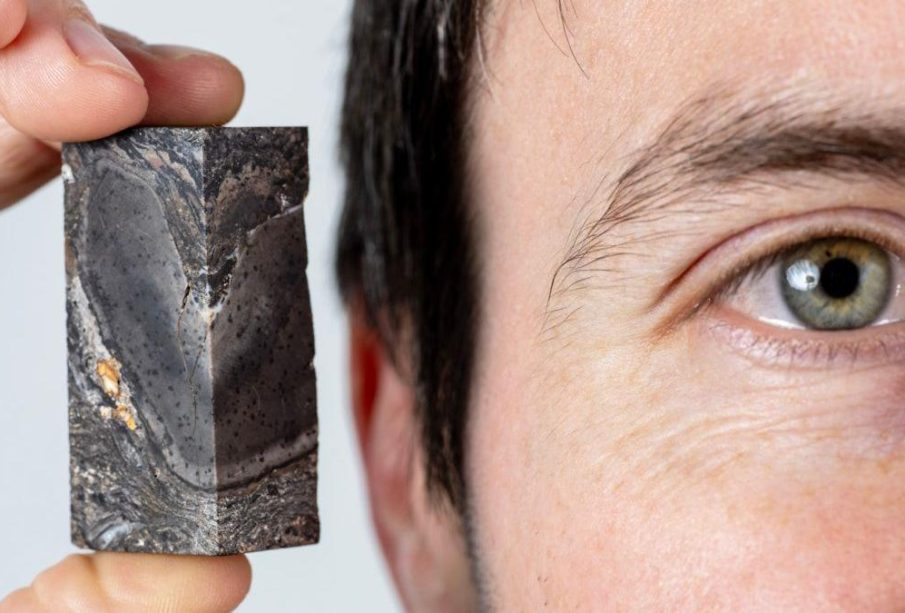
The discovery and recent museum accession of a Prototaxites fossil from Aberdeenshire has reignited interest in one of palaeontology’s long-standing mysteries. Dated to roughly 410 million years (other studies of related material cite about 407 million years), the specimen offers new evidence on the nature of one of the largest land organisms of the early Devonian. The find is relevant to scientists and the public alike because it bears directly on how complex life first established itself on land and highlights the continuing value of museum collections for modern research.
Main body: What was found and what researchers say
The specimen and its new home
National Museums Scotland (NMS) has added the Aberdeenshire Prototaxites fossil to its collections; the specimen will be cared for at the NMS collection centre in Edinburgh. Dr Nick Fraser, keeper of natural sciences at NMS, said the museum was pleased to include an object that helps “document Scotland’s extraordinary place in the story of our natural world.” The accession demonstrates how preserved specimens, sometimes collected long ago, can be re‑examined using new techniques.
Scientific analyses and differing interpretations
Researchers studying exceptionally preserved material from the Rhynie chert in north‑east Scotland have used anatomical and chemical analysis to probe Prototaxites’ identity. A notably large specimen of the species taiti has allowed detailed comparisons with fossil fungi from the same site. Some authors report that combined chemical and anatomical evidence points toward fungal affinities. Other researchers interpret the data differently, arguing Prototaxites may represent a wholly extinct and previously unknown branch of complex life — an independent evolutionary experiment in making large organisms on land. Dr Sandy Hetherington, co‑lead author and senior lecturer at the University of Edinburgh, described the work as “a major step forward in the debate over Prototaxites, which has been going on for around 165 years.”
Conclusion: Significance and outlook
The addition of the Aberdeenshire specimen to the NMS collection both preserves a key piece of evidence and enables continued study as analytical methods advance. While interpretations differ — fungal relative or unique extinct lineage — the fossil sharpens questions about early terrestrial ecosystems and the evolution of large multicellular life on land. For readers, the story underscores how museum stewardship and modern science together can revise deep‑time narratives; future studies of this and related fossils are likely to refine or reshape our understanding of Prototaxites and early land life.





