Canary Wharf: London’s Thriving Financial District
Introduction
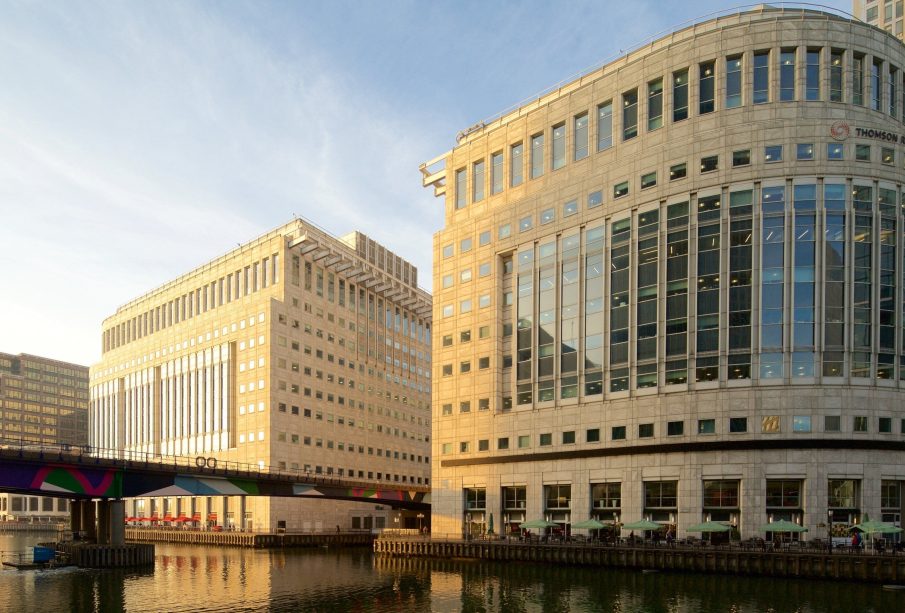
Canary Wharf, a major financial district located in the London Borough of Tower Hamlets, is significant not only for its architectural grandeur but also for its role as a global financial hub. Since the 1980s, Canary Wharf has transformed from a derelict dockland area into one of the world’s leading financial centres, housing some of the largest banks and corporations. This revitalisation has made it a focal point for economic growth and investment in London, underscoring its relevance in today’s dynamic marketplace.
The Transformation of Canary Wharf
Following the decline of the shipping industry, the area underwent substantial redevelopment. Major construction projects resulted in the iconic skyline we see today, featuring towering structures such as One Canada Square. This skyscraper, completed in 1990, remains one of the tallest buildings in the UK. The extensive redevelopment was spearheaded by the arrival of financial firms like HSBC and Citigroup, which further established Canary Wharf as a key player in the global financial arena.
Recent Developments and Events
Recent events in Canary Wharf have showcased its resilience and adaptability, particularly through the impact of the COVID-19 pandemic. While many businesses transitioned to remote work, Canary Wharf Group implemented measures to enhance safety and maintain its attractiveness as a workplace. In 2023, the area saw an uptick in foot traffic and public engagement activities as restrictions eased. The introduction of new public spaces and improved transport links have endeared it to both businesses and visitors.
Moreover, ongoing investments in technology and sustainability initiatives have positioned Canary Wharf at the forefront of the green economy. With developments such as the expansion of electric vehicle charging points and solar energy usage, the area is evolving to meet the demands of modern businesses seeking sustainable solutions.
Conclusion
Canary Wharf’s significance as a financial centre continues to evolve, with forecasts indicating sustained growth in both its economic output and cultural offerings. As more companies commit to sustainable practices and innovative technologies, Canary Wharf not only stands as a beacon of financial prowess but also as a model for future urban developments. For readers, this evolution offers insight into how cities can adapt in a changing economic landscape, highlighting the importance of flexibility and forward-thinking in urban planning.





