The Effects of Heavy Snowfall in Russia This Winter
Introduction
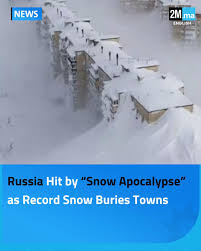
The winter season in Russia is renowned for its intense cold and heavy snowfall, which significantly influences the country’s daily life, economy, and infrastructure. In recent weeks, large parts of Russia have witnessed substantial snowfalls, leading to disruptions but also to picturesque landscapes that characterize the Russian winter. The relevance of this topic extends beyond mere weather conditions, highlighting how such natural phenomena impact transportation, local businesses, and daily routines across the nation.
Recent Snowfall Events
In December 2023, regions like Siberia and Moscow reported heavy snow accumulation, with some areas receiving up to 40 cm of snow in just 24 hours. Local authorities in Moscow issued severe weather warnings, advising residents to prepare for hazardous conditions on the roads and public transport systems. Such snowfalls are not uncommon, but the intensity observed this year has prompted comparisons to snowfall levels recorded during the harsh winters of the early 2000s.
Impact on Daily Life and Infrastructure
As snow blankets major cities, life is inevitably affected. Schools in several districts have announced temporary closures, while many local businesses have adjusted their operating hours to accommodate snow removal efforts and decrease customer visits. Public transport faced disruptions, with numerous delays and cancellations reported across train and bus services, causing frustration among commuters.
Local and federal authorities have mobilised their snow removal teams to clear major roads and intersections in a bid to ensure safety and mobility. However, with the sheer volume of snow, many areas remain challenging to access, making it critical for individuals to stay informed about travel conditions.
Economic Considerations
The economic implications of heavy snowfall can be significant. While snow often brings tourism opportunities, potential losses accrue from delayed transport and decreased accessibility during peak retail periods, especially for businesses reliant on foot traffic in urban areas. Moreover, the agricultural sector is also at risk, as excess snow can damage crops and delay planting schedules for spring.
Conclusion
As Russia continues to experience severe winter weather, the heavy snowfall serves as a reminder of both the beauty and challenges of the season. Residents and authorities alike must adapt to the harsh conditions, making necessary adjustments to safeguard lives and livelihoods. Looking ahead, it is crucial for communities to rely on their preparedness strategies to mitigate the impacts of future snowfalls. As climate change continues to influence weather patterns, understanding the significance of snowfall in Russia will help in effectively navigating the challenges ahead.





