The Impact of Microplastics on Human Health
Introduction
Microplastics, tiny plastic particles less than 5mm in size, have emerged as a significant environmental concern over the past decade.
Research indicates that these particles are not only prevalent in marine environments but are increasingly found in soil, air, and even in the human body. Understanding the implications of microplastics on human health is critical given their ubiquity and potential toxicity.
The Prevalence of Microplastics
According to a study published in Plastic Pollution News, microplastics have been discovered in various food and beverage products, including seafood, table salt, sugar, and bottled water. Furthermore, a growing body of evidence suggests that residents in urban areas are at a higher risk of exposure to microplastics due to air pollution.
The World Health Organization (WHO) has noted that microplastics have been detected in human stool samples, raising awareness about the possibility of ingestion through contaminated food or drink.
Health Risks Associated with Microplastics
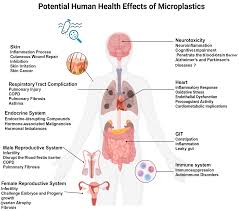
Research on the health effects of microplastics is still in its early stages. However, initial studies indicate that the ingestion of microplastics may pose several health risks. Some studies suggest that these particles can carry toxic chemicals which can lead to inflammatory responses in the body.
Moreover, harmful additives in plastics, such as Bisphenol A (BPA) and phthalates, could leach into the body and disrupt endocrine functions. The potential links to cancer, reproductive issues, and other severe conditions are areas of ongoing research.
Recent Findings and Ongoing Research
In July 2023, a team of researchers from the University of Exeter published findings in the Environmental Research journal, asserting that microplastics can cross biological barriers and enter human tissues. This discovery has prompted further investigations into how microplastics may affect organs and systems within the body.
Furthermore, international health organisations are now prioritising research on microplastics, recognising the need for a better understanding of the impacts on human health and safety.
Conclusion
As the presence of microplastics continues to increase across global ecosystems, the implications for human health are becoming more apparent. Ongoing research is critical in uncovering the full extent of these effects, while also guiding future regulations and policies aimed at reducing exposure. For individuals, awareness is key—considering choices related to plastic consumption may help mitigate the impacts of microplastics on health.
The need for collective action and further investigation highlights the pressing nature of this public health issue, making it essential for readers to stay informed and proactive in combating environmental plastic pollution.





