The Importance of Kneecap Health and Common Injuries
Introduction
The kneecap, or patella, plays a crucial role in the biomechanics of the knee joint. It protects the knee and enhances the leverage of thigh muscles, facilitating movement. Given its importance, injuries to the kneecap can significantly affect mobility and quality of life. As a common site for sports injuries and degeneration, understanding kneecap health is essential for prevention and recovery.
Common Kneecap Injuries
Kneecap injuries can occur due to trauma, overuse, or underlying health conditions. The most prevalent injuries include patellar fractures, dislocations, and tendinitis. Patellar dislocations often occur during high-impact activities, such as football or basketball, where sudden changes in direction can lead to the kneecap slipping out of place.
According to the British Journal of Sports Medicine, knee injuries account for approximately 15% of all sports-related injuries, with kneecap injuries being particularly common. Moreover, conditions like patellofemoral pain syndrome are prevalent among runners and cyclists, caused by improper alignment of the kneecap during movement.
Preventive Measures
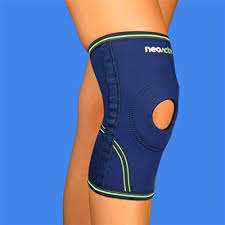
Preventing kneecap injuries is vital for athletes and active individuals. Strengthening exercises focusing on the quadriceps and hamstrings can improve overall knee stability. Additionally, proper warm-up routines and flexibility training can prepare the knees for physical activity. Wearing appropriate footwear and using knee braces during high-risk sports can also mitigate the risk of injury.
Treatment and Recovery
If a knee injury occurs, immediate treatment is critical. The R.I.C.E. (Rest, Ice, Compression, Elevation) method can help alleviate acute pain and swelling. For severe injuries, medical intervention may be required, including physical therapy, medication, or in some cases, surgery. Recovery times can vary significantly depending on the injury, with some individuals returning to their normal activities within weeks, while others may need several months.
Conclusion
Maintaining healthy kneecaps is vital for anyone who participates in physical activities. Awareness of potential injuries and implementing preventive strategies can reduce the likelihood of severe damage. Staying informed about knee health enables individuals to engage in sports and daily activities with confidence and resilience. Treatment advances continue to improve recovery outcomes, underscoring the significance of timely intervention and rehabilitation in knee injuries.





