Understanding Flight Radar: Technology and Significance
Introduction
Flight radar has become an integral tool in modern aviation, allowing both professionals and enthusiasts to track aircraft in real time. With the increasing complexity of air traffic and the need for enhanced safety measures, the relevance of flight radar technology has never been more pronounced. As global air travel continues to rebound post-pandemic, keeping an eye on flight patterns and schedules has gained traction among passengers and industry experts alike.
What is Flight Radar?
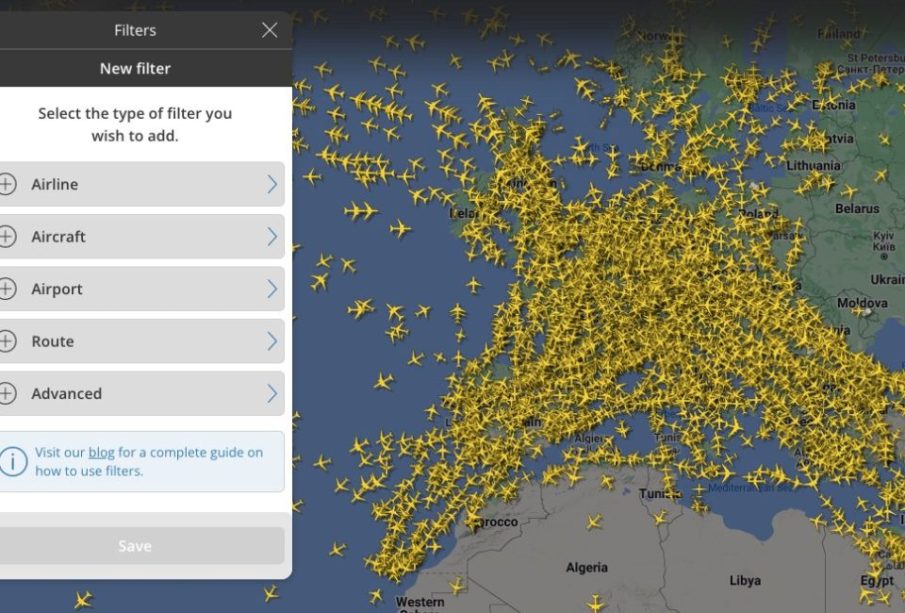
Flight radar systems are designed to monitor and display the positions of aircraft in flight. Utilizing a combination of radar technology, satellite data, and ground-based systems, flight radars provide essential information such as an aircraft’s altitude, speed, and flight path. Numerous platforms, such as FlightAware and Flightradar24, have made this data accessible to the general public, promoting transparency in air travel operations.
Recent Events and Developments
Recently, advancements in flight radar technology have been notable due to the increased demand for efficient air traffic management. For instance, the implementation of Automatic Dependent Surveillance–Broadcast (ADS-B) has enhanced the accuracy and reliability of flight tracking. In July 2023, the International Civil Aviation Organization (ICAO) reported a 70% increase in the use of ADS-B systems globally, indicating a shift towards more modern tracking technologies.
Moreover, during the recent surge in travel demand, flight radar services have improved their real-time tracking capabilities, leading to better coordination during peak travel hours. The seamless integration of flight data into mobile applications allows users to receive live notifications on delays, arrivals, and departures, empowering them with the information needed to plan their journeys effectively.
Conclusion
The significance of flight radar technology extends beyond simple tracking; it enhances the overall safety and efficiency of air travel. With ongoing improvements and a growing reliance on this data, future developments may include greater integration with artificial intelligence to predict delays and improve air traffic control standards. For both avid travellers and aviation professionals, staying informed about these advancements can provide deeper insights into the complexities of air logistics and help make safer travel choices.





