The Importance of Flying Foxes in Our Ecosystem
Introduction
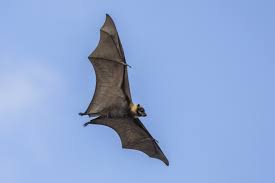
Flying foxes, known for their impressive wingspans and distinctive fox-like faces, play a critical role in maintaining the health of our ecosystems. As the world’s largest species of bats, they are essential pollinators and seed dispersers, directly impacting forest regeneration and the overall biodiversity of their habitats. Recent studies underscore their importance, especially in light of increased habitat loss and climate change, making it imperative to understand their role and teach society about their ecological significance.
Flying Foxes and Their Habitat
Primarily found in tropical and subtropical regions, such as Australia, Southeast Asia, and the South Pacific, flying foxes inhabit forests and woodlands. These mammals are primarily nocturnal and rely on their keen sense of smell to find food, which consists of fruit, nectar, and flowers. By pollinating various plants as they feed, flying foxes contribute significantly to the reproductive success of many species, including some that are economically important for agriculture.
Current Threats to Flying Foxes
Unfortunately, flying foxes face numerous threats today, including habitat destruction, hunting, and climate change. Urban expansion and deforestation have led to a rapid decline in their natural habitats. In some regions, they are targeted due to perceived competition for fruit crops. Climate change also poses a significant threat, as it affects weather patterns and food availability, creating additional stress on their populations. Recent data from the International Union for Conservation of Nature (IUCN) reveals that several species of flying foxes are now classified as endangered due to these mounting dangers.
Conservation Efforts
In response to the declining numbers of flying foxes, conservation organisations and governments are implementing various strategies to protect these vital creatures. Efforts include habitat restoration, legal protection from hunting and culling, and public education campaigns aimed at raising awareness of their ecological importance. In Australia, for example, initiatives are underway to engage local communities in monitoring flying fox populations and preserving their habitats. These partnerships highlight the necessity of community involvement in conservation efforts.
Conclusion
Flying foxes are much more than their striking appearance; they are essential players in our ecosystems, contributing to forest health and agricultural productivity. As threats to their populations continue to escalate, it is crucial for society to recognise their importance and engage in conservation efforts. By protecting flying foxes, we not only safeguard a diverse species but also ensure the resilience and health of ecosystems that countless other species, including humans, rely on. The future of flying foxes hinges on informed action today, and their survival can lead to healthier habitats for generations to come.





