Understanding the Recent China Protests
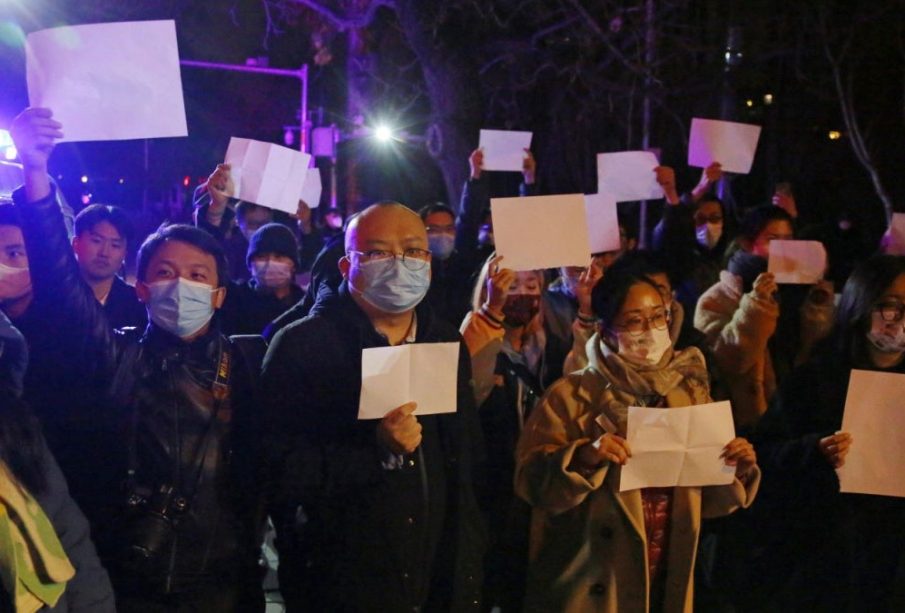
Introduction
The recent protests in China have garnered global attention, marking a significant moment in the country’s socio-political landscape. These protests, ignited by widespread discontent regarding various issues, including strict COVID-19 restrictions, have underscored the public’s desire for change. Understanding these protests is crucial as they reflect the sentiments of millions and may influence future political dynamics in China.
The Catalyst for Protests
Beginning in November 2022, the protests erupted in response to stringent lockdown measures imposed by the Chinese government to curb the spread of COVID-19. Many citizens expressed their frustration not only over the health crisis but also the government’s tight grip on personal freedoms and lack of transparency. Social media played a pivotal role in mobilising demonstrators, with platforms like WeChat and Twitter being used to share information and organise gatherings.
Response from Authorities
The Chinese authorities responded swiftly to the protests, deploying police to disrupt gatherings and detain hundreds of participants. In some cities, security forces used tear gas and batons to disperse crowds, reflecting the government’s determination to maintain order. However, the protests continued to unfold across various regions, including major cities like Beijing and Shanghai, showcasing the widespread nature of the dissent.
The Role of Social Media
Social media has been a double-edged sword in these protests. While it has facilitated the organisation of large-scale demonstrations, it has also led to government crackdowns on online discourse. Posts supporting the protests have been quickly removed, and users face penalties for sharing content deemed subversive. This has raised concerns about censorship and freedom of speech in China, further fuelling dissatisfaction.
Conclusion
The implications of the recent China protests are profound, as they indicate a growing unrest among the population against authoritarian control. While the immediate impact on policy remains to be seen, these protests signal a potential shift in the political landscape, highlighting the need for the government to address the concerns of its citizens. As the situation develops, observers globally will be watching closely to see how this movement shapes the future of governance in China and whether it paves the way for social change.





